 BD Medi
Fluorometholone + Tetrahydrozoline
 Ophthalmic Steroid preparations
Brands & Prices (4)
📋 Indications & Uses Dosage & Administration⚠️ Contraindications⚡ Side Effects & Adverse Reactions🛡️ Warnings & Precautions🔬 Pharmacology & Mechanism
Ophthalmic Steroid preparations
Brands & Prices (4)
📋 Indications & Uses Dosage & Administration⚠️ Contraindications⚡ Side Effects & Adverse Reactions🛡️ Warnings & Precautions🔬 Pharmacology & Mechanism
Brand Formulations & Prices
4 brands sorted by unit price

AFM-T

Refemoline
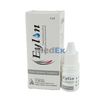
Eylon
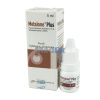
Metalone Plus
📖 Official Clinical Monograph
DGDA Approved Prescribing GuidelinesAFM-T eye drop is indicated in-
Acute and chronic allergic non-infectious conjunctivitis and keratitis with severe swelling and intravascular injection
Non-infectious inflammation of the anterior segment of the eye (including anterior uveitis, episcleritis and scleritis)
Post-operative irritative conditions after strabismus; cataract & glaucoma surgery with supplementary antimicrobial therapy.
Dosage & AdministrationUse in adult
: Instill 1 drop into the conjunctival sac 2-3 times daily. The dose may be increased for severe and adult patient to 1 drop hourly for first one to two days.
Use in children
: Safety & effectiveness in children below 2 years of age have not been established.
It is contraindicated in infectious conjunctivitis or keratitis, injuries or ulcerous processes of the cornea, glaucoma, diseases associated with stromal damage of the cornea or sclera & dry eyes.
Mild burning sensation, reversible increase in intraocular pressure, reactive hyperemia, cataract & corneal defects, glaucoma, systemic effects (chronic use).
Avoid prolonged use. AFM-T should be used after a careful risk benefit evaluation in case of patients with severe blood circulation diseases, metabolic disturbances, under treatment with MAOIs & other potentially hypertensive drugs, history of cataract, herpes simplex infection, rhinitis sicca.
Fluorometholone is thought to act by the induction of phospholipase A2 inhibitory proteins which control the biosynthesis of potent mediators of inflammation such as prostaglandins and leukotrienes by inhibiting the release of their common precursor arachidonic acid. On the other hand, Tetrahydrozoline is an alpha agonist which constricts the conjunctival blood vessels and thereby relieves the redness of the eye.