
Napcon

 Dose Regimen:
 Course Duration:
 Alternatives (1)
Cheaper & Alternative Brands (0.025%+0.3%)
Same active generic (Naphazoline Hydrochloride + Pheniramine Maleate), same form (Ophthalmic Solution), exact same strength (0.025%+0.3%)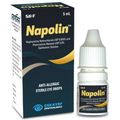
Clinical Prescribing Information
Medical monograph and safety information for healthcare professionals & patients.Indications & Clinical Uses
This eye drop is indicated for the symptomatic treatment of allergic conjunctivitis.
Dosage & Administration
One to two drops should be instilled into the affected eye(s) three to four times daily. Safety and effectiveness in children under 6 years of age have not been established.
Contraindications
Hypersensitivity to any of its components
Narrow-angle glaucoma
Side Effects & Adverse Reactions
Ocular discomfort
Keratitis
Eye pain
Eye edema
Ocular hyperemia
Warnings & Precautions
Patients being treated with monoamine oxidase inhibitors (MAOIs) may experience a severe hypertensive crisis if given a sympathomimetic drug. Patients already using an eye product obtained on prescription should use this ophthalmic solution only after consultation with a doctor or pharmacist. Napcon should be used with caution in children, the elderly, patients with cardiovascular disease including cardiac arrhythmia, patients with poorly controlled hypertension, patients with diabetes (especially when the diabetes is not adequately controlled) and patients who have urinary retention or prostate hypertrophy. Use with caution in patients with sympathetic denervation (e.g. patients with insulin dependent diabetes, orthostatic hypotension, hypertension, hyperthyroidism) due to the risk for possible systemic effects. Caution should also be taken if patients are known to suffer from pyloroduodenal obstruction or epilepsy. Prolonged and/or excessive use may lead to rebound ocular vasodilatation or congestion.
Eye Drops may cause transient mydriasis, temporary blurred vision or other visual disturbances that may affect the ability to drive or use machines. If there is mydriasis or if blurred vision occurs after instillation, the patient must wait until the vision clears before driving or using machinery.
Pharmacology & Mechanism of Action
This is a combined preparation of Naphazoline Hydrochloride and Pheniramine Maleate ophthalmic solution. This ophthalmic solution combines the effects of the antihistamine, Pheniramine Maleate, and the decongestant, Naphazoline Hydrochloride. Naphazoline Hydrochloride is a direct acting sympathomimetic amine. It acts on alpha-adrenergic receptors in the arterioles of the conjunctiva to produce vasoconstriction, resulting in decreased conjunctival congestion. Pheniramine Maleate is an alkylamine derivative with antimuscarinic and central sedative properties which is used for the symptomatic relief of hypersensitivity reactions including conjunctivitis.