
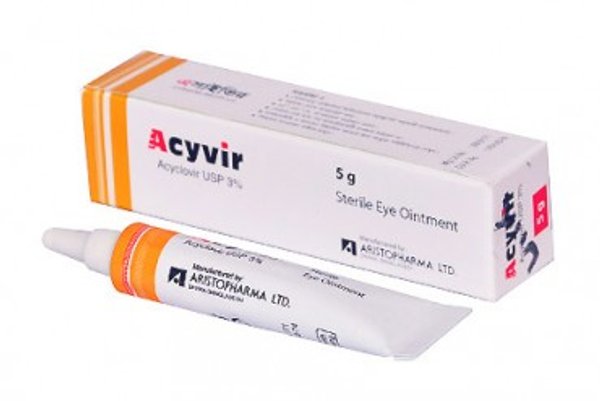
Fludin
 Generic: Trifluridine
 Dose Regimen:
 Course Duration:
Cheaper & Alternative Brands (1%)
Same active generic (Trifluridine), same form (Ophthalmic Solution), exact same strength (1%)No other brands currently registered with this exact active generic and dosage form.
Clinical Prescribing Information
Medical monograph and safety information for healthcare professionals & patients.Indications & Clinical Uses
Fludin Sterile Eye Drops is indicated for the treatment of primary keratoconjunctivitis and recurrent epithelial keratitis due to herpes simplex virus, type 1 and 2.
Dosage & Administration
Children above 6 years of age & adults
: Instill 1 drop every 2 hrs. while awake; maximum 9 drops/day until the corneal ulcer has completely re-epithelialized.
After re-epithelialization
: Instill 1 drop every 4 hrs. or at least 5 drops/day for 7 days is recommended.
If there are no signs of improvement after 7 days of therapy or complete re-epithelialization has not occurred after 14 days of therapy, other forms of therapy should be considered. Continuous administration of Fludin eye drops for periods exceeding 21 days should be avoided because of potential ocular toxicity.
Use in children
: Safety and effectiveness in pediatric patients below 6 years of age have not been established.
Use in elderly patients
: No overall clinical differences in safety or effectiveness have been observed between elderly and other adult patients.
Contraindications
Contraindicated in patients who develop hypersensitivity reactions or chemical intolerance to Trifluridine.
Side Effects & Adverse Reactions
Reported side effects are mild, transient burning or stinging sensation upon instillation. Other side effects are superficial punctate keratopathy, epithelial keratopathy, hypersensitivity reaction, stromal edema, irritation, keratitis sicca, hyperemia and increased intraocular pressure.
Warnings & Precautions
Fludin should be prescribed only for patients who have a clinical diagnosis of herpetic keratitis.
Pharmacology & Mechanism of Action
Trifluridine is a fluorinated pyrimidine nucleoside analog which interferes with DNA synthesis of herpes simplex virus, type 1 and 2 and vaccinia virus. It stops replication of herpes viral DNA in 3 ways:
Competitive inhibition of viral DNA polymerase,
Incorporation into and termination of the growing viral DNA chain and
Inactivation of the viral DNA polymerase.