 BD Medi
Tropicamide + Phenylephrine Hydrochloride
 Preparations for Ophthalmic diagnosis
Brands & Prices (8)
📋 Indications & Uses Dosage & Administration⚠️ Contraindications⚡ Side Effects & Adverse Reactions🛡️ Warnings & Precautions🔬 Pharmacology & Mechanism
Preparations for Ophthalmic diagnosis
Brands & Prices (8)
📋 Indications & Uses Dosage & Administration⚠️ Contraindications⚡ Side Effects & Adverse Reactions🛡️ Warnings & Precautions🔬 Pharmacology & Mechanism
Brand Formulations & Prices
8 brands sorted by unit price
Trocane

Dilate Plus
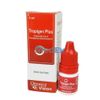
Tropigen Plus
Mydrimide Plus
Ocutrop Plus
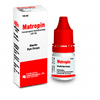
Trophen

Tropidil Plus
Vasotrop
📖 Official Clinical Monograph
DGDA Approved Prescribing GuidelinesTherapeutic purpose:
Inflammatory conditions of the uveal tract.
May be used in temporary lowering of intraocular pressure in glaucoma.
Diagnostic purpose:
Retinal photography.
Refractive errors.
Fundus examination/photography.
Slit lamp examination.
Pre-operative use: In order to undergo surgical procedure that requires the visualization of structures behind the iris, such as cataract extraction, vitrectomy and retinal detachment surgery.
Dosage & AdministrationUveitis
: 1-2 drops bid-qid or as required.
Diagnostic purpose/Pre-operative purpose
: Instill 1-2 drops in the eye(s) 15-20 minutes before examination. If examination is not conducted within 20–30 minutes, an additional drop may be placed in the eye(s) to prolong the effect.
This medication is contraindicated in these following cases
Patients with hypersensitivity to any of the components and narrow angles or narrow angle glaucoma.
Low birth weight infants and some elderly adults with severe arteriosclerotic cardiovascular or cerebrovascular disease.
During intraocular operative procedures when the corneal epithelial barrier has been disturbed.
Elevated IOP (occasionally), stinging, blurred vision, tachycardia, photophobia, headache, parasympathetic stimulation and allergic reactions. Systemic effects include arrhythmias, hypertension and coronary artery spasm.
Caution should be taken when administered with, or upto 21days after administration of monoamine oxidase (MAO) inhibitors as exaggerated adrenergic effects may result.
The possibility of psychotic reactions and behavioral disturbances should be considered in patients who are hypersensitive to anticholinergic drugs.
Use with extreme caution in infants.
Tropicamide binds to and blocks the receptors in the muscles of the eye (muscarinic receptor M4). Tropicamide acts by blocking the responses of the iris sphincter muscle to the iris and ciliary muscles to cholinergic stimulation, producing dilation of the pupil and paralysis of the ciliary muscle.
Phenylephrine Hydrochloride is a selective alpha-1 agonist, which causes mydriasis without cycloplegia. It tends to reduce intraocular lesion by vasoconstrictor action.