 BD Medi
Trimetazidine Dihydrochloride
 Other Anti-anginal & Anti-ischaemic drugs
Brands & Prices (29)
📋 Indications & Uses Dosage & Administration⚠️ Contraindications⚡ Side Effects & Adverse Reactions🛡️ Warnings & Precautions🔬 Pharmacology & Mechanism
Other Anti-anginal & Anti-ischaemic drugs
Brands & Prices (29)
📋 Indications & Uses Dosage & Administration⚠️ Contraindications⚡ Side Effects & Adverse Reactions🛡️ Warnings & Precautions🔬 Pharmacology & Mechanism
Brand Formulations & Prices
29 brands sorted by unit price

Vascare
Angimet

Trimet
Zivent MR

Angivas MR
Vastadin MR
Angimet MR
Anginox MR
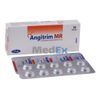
Angitrim MR
Vaspec MR

Feelnor MR

Antoris MR
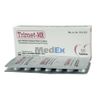
Trimet-MR

Anzidon MR

Cardimet MR
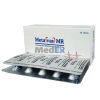
Metavas MR
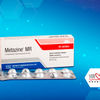
Metazine MR

Trangina MR
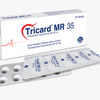
Tricard MR

Vestar MR
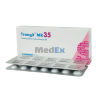
Trangit MR
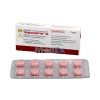
Trimacontin
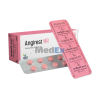
Angirest
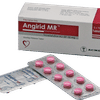
Angirid MR

Angivent MR

Metacard MR
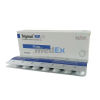
Triginal MR
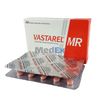
Vastarel MR
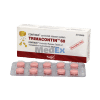
Trimacontin
📖 Official Clinical Monograph
DGDA Approved Prescribing GuidelinesAngimet is indicated in adults as add-on therapy for the symptomatic treatment of patients with stable angina pectoris who are inadequately controlled by or intolerant to first-line antianginal therapies.
Dosage & AdministrationThe recommended dose of Trimetazidine is 35 mg twice daily or 20 mg tablet thrice daily during meals. The benefit of the treatment should be assessed after three months and Trimetazidine should be discontinued if there is no treatment response.
Trimetazidine is contraindicated in patients who have hypersensitivity to the active substance or to any of the excipients. It is also is contraindicated in patients with Parkinson’s disease, parkinsonian symptoms, tremors, restless legs movement disorders, severe renal impairment.
Angimet is safe and well tolerated. The Common side effects associated with Angimet are dizziness, headache, abdominal pain, diarrhoea, dyspepsia, nausea, vomiting, rash, pruritus, urticaria and asthenia
Angimet is not a curative treatment for angina attacks, nor an initial treatment for unstable angina pectoris. It is also not a treatment for myocardial infarction.
Trimetazidine Dihydrochloride is the first 3- keto acyl CoA thiolase inhibitor (KAT), a metabolic anti-ischemic agent with proven benefits for all coronary patients. Trimetazidine Dihydrochloride inhibits fatty acid pathway by inhibiting 3-keto acyl CoA thiolase enzyme and transfers oxygen to glucose pathway. Since glucose pathway is more efficient in producing energy, the same oxygen produces more energy and makes the heart more active. Moreover, the aerobic oxidation of glucose stops production of lactic acid, which prevents angina pectoris.