 BD Medi
Sodium Polystyrene Sulfonate
 Calcium Regulator
Brands & Prices (1)
📋 Indications & Uses⚠️ Contraindications⚡ Side Effects & Adverse Reactions🛡️ Warnings & Precautions🔬 Pharmacology & Mechanism
Calcium Regulator
Brands & Prices (1)
📋 Indications & Uses⚠️ Contraindications⚡ Side Effects & Adverse Reactions🛡️ Warnings & Precautions🔬 Pharmacology & Mechanism
Brand Formulations & Prices
1 brands sorted by unit price
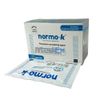
📖 Official Clinical Monograph
DGDA Approved Prescribing GuidelinesNormo-K is indicated for the treatment of hyperkalemia. Hyperkalemia is mainly caused by Acute or Chronic Kidney Disease. Other causes may include Liver failure, Adrenal insufciency, Use of certain drugs like ARB, ACE inhibitors, Beta blockers or Excessive use of Potassium supplements.
Sodium Polystyrene Sulfonate is contraindicated in the following conditions: patients with hypokalemia, patients with a history of hypersensitivity to polystyrene sulfonate resins, obstructive bowel disease, neonates with reduced gut motility (postoperatively or drug induced) and oral administration in neonates.
The drug may cause some degree of gastric irritation. Anorexia, nausea, vomiting, and constipation may occur especially if high doses are given. Also, hypokalemia, hypocalcemia, and significant sodium retention, and their related clinical manifestations, may occur. Occasionally diarrhea develops. Large doses in elderly individuals may cause fecal impaction. Rare instances of colonic necrosis have been reported. Intestinal obstruction due to concretions of aluminum hydroxide, when used in combination with such resin has been reported.
Caution is advised when Normo-K is administered to patients who cannot tolerate even a small increase in sodium loads (i.e., severe congestive heart failure, severe hypertension, or marked edema). In such instances compensatory restriction of sodium intake from other sources may be indicated. In the event of clinically signifcant constipation, treatment with Normo-K should be discontinued until normal bowel motion is resumed. Magnesium-containing laxatives or sorbitol should not be used.
Sodium Polystyrene Sulfonate is a cation exchange resin. It releases sodium ions in the stomach in exchange for hydrogen ions. When the resin reaches the large intestine the hydrogen ions are exchanged for free potassium ions; the resin is then eliminated in the feces. The net effect is lowering the amount of potassium available for absorption into the blood and increasing the amount that is excreted via the feces. The effect is a reduction of potassium levels in the body.