 BD Medi
Sodium Fusidate
 Other antibacterial preparation
Brands & Prices (7)
📋 Indications & Uses Dosage & Administration⚠️ Contraindications⚡ Side Effects & Adverse Reactions🛡️ Warnings & Precautions🔬 Pharmacology & Mechanism
Other antibacterial preparation
Brands & Prices (7)
📋 Indications & Uses Dosage & Administration⚠️ Contraindications⚡ Side Effects & Adverse Reactions🛡️ Warnings & Precautions🔬 Pharmacology & Mechanism
Brand Formulations & Prices
7 brands sorted by unit price
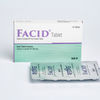
Facid

Fucimax
Fusate
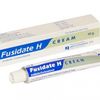
Fusidate
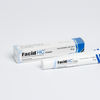
Facid
Facid
Fucidin
📖 Official Clinical Monograph
DGDA Approved Prescribing GuidelinesFacid tablet is indicated for the treatment of localized, as well as generalized staphylococcal infections (e.g. abscesses, furunculosis, wound infections, pneumonia, peritonitis, osteomyelitis, septicaemia, enteritis and otorhinoiaryngeai infections). In severe infections, deep-seated infections
... Read more
Facid tablet is indicated for the treatment of localized, as well as generalized staphylococcal infections (e.g. abscesses, furunculosis, wound infections, pneumonia, peritonitis, osteomyelitis, septicaemia, enteritis and otorhinoiaryngeai infections). In severe infections, deep-seated infections, infections due to methicillin-resistant Staphylococci or when prolonged therapy may be required, Facid must be given concurrently with other anti-staphylococcal antibiotic therapy.
Dosage & AdministrationFor staphylococcal skin infections:
Adults and children from 12 years: 250 mg 2 times a day for 5-10 days.
For penicillin-resistant staphylococcal infections such as osteomyelitis, pneumonia, septicemia, wound infections, endocarditis, superinfected cystic fibrosis:
Adults and children from 12 years: 500 mg 3 times a day. Dose can be increased to 1 gram 3 times a day for severe infections.
Oral suspension-
Children 1-11 months: 15 mg/kg 3 times a day
Children 1-4 years: 250 mg 3 times a day
Children 5-11 years: 500 mg 3 times a day
Children 12-17 years: 750 mg 3 times a day
Adults: 750 mg 3 times a day
Elderly: No dosage adjustment is necessary in the elderly.
Renal impairment patient: Since Sodium Fusidate is excreted in the bile, no dosage modifications are needed in renal impairment. No dosage adjustment is required in patients undergoing haemodialysis as it is not significantly dialysed.
Hypersensitivity to any of the ingredients of this formulation. Patients with rare hereditary problems of galactose intolerance, the Lapp lactase deficiency or glucose-galactose malabsorption should not take this medicine.
The most frequently reported undesirable effects to Facid are dose dependent gastrointestinal disorders like diarrhoea, vomiting, abdominal pain, dyspepsia, nausea. Various skin reactions, reversible jaundice, haematological disorders and generalised hypersensitivity reactions have been reported. Leukopenia, thrombocytopenia, anemia, anorexia, drowsiness, dizziness, headache, cholestasis, urticaria, pruritus, rash,
rhabdomyolysis may rarely occur.
Facid must not be co-administered with statins. There have been reports of rhabdomyolysis (including some fatalities) in patients receiving Facid. In patients where the use of systemic Facid is considered essential, statin treatment should be discontinued throughout the duration of treatment. The patient should be advised to seek medical advice immediately if they experience any symptoms of muscle weakness, pain or tenderness. Statin therapy may be re-introduced seven days after the last dose of Facid.
Sodium Fusidate is a Sodium salt form of Fusidic Acid. Fusidic acid is an antibiotic derived from the fungus Fusidium coccineum. The mode of action is by inhibition of protein synthesis by the prevention of translocation on the ribosome. Concentrations adequate for bactericidal activity against Staphylococci after oral or parenteral administration have been demonstrated in the following: pus, exudate, soft tissue, bone tissue, synovial fluid, aqueous humour, vitreous body, burn crusts, intracranial abscess, sputum and serum.