 BD Medi
Quinine Sulfate
 Anti-malarial drugs
Brands & Prices (8)
📋 Indications & Uses Dosage & Administration⚠️ Contraindications⚡ Side Effects & Adverse Reactions🛡️ Warnings & Precautions🔬 Pharmacology & Mechanism
Anti-malarial drugs
Brands & Prices (8)
📋 Indications & Uses Dosage & Administration⚠️ Contraindications⚡ Side Effects & Adverse Reactions🛡️ Warnings & Precautions🔬 Pharmacology & Mechanism
Brand Formulations & Prices
8 brands sorted by unit price
Requin
Quin
Albiquin
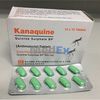
Kanaquine
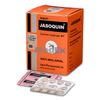
Jasoquin
Requin
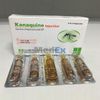
Kanaquine
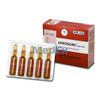
Jasoquin
📖 Official Clinical Monograph
DGDA Approved Prescribing GuidelinesAlbiquin is indicated in-
Uncomplicated, severe and complicated falciparum malaria
Falciparum malaria resistant to other drugs
Prevention of nocturnal muscle cramps
Alleviation of muscle cramps in Thomsen's disease.
Dosage & AdministrationAdult
:
Oral: 600 mg (of quinine salt) every 8 hours for 7 days.
Parenteral: lf the patient is seriously ill quinine should be given by intravenous infusion. The adult dosage regimen for quinine by infusion is loading dose of 20 mg/kg (up to maximum 1.4 g) of quinine salt infused over 4 hours then after 8-12 hours maintenance dose of 10 mg/kg (up to maximum 700 mg) of quinine salt infused over 4 hours every 8-12 hours (until patient can swallow tablets to complete the 7 days course).
Children
:
Oral: Quinine is well tolerated by children. The dosage regimen for quinine by mouth for children is 10 mg/kg (of quinine salt) every 8 hours for 7 days.
Parenteral: The dosage regimen for quinine by intravenous infusion for children is calculated on a mg/kg basis as for adult.
Pregnancy:
The adult treatment doses of oral and intravenous quinine given above (including the loading dose) can safely be given to pregnant women.
Hypersensitivity reaction, optic neuritis, in case of black water fever etc.
Cinchonism which includes tinnitus, headache, nausea and visual disturbances. Hematological disorders and skin reaction may occur.
Severe heart disease, myasthenia gravis, diabetes mellitus, IV injection should be given slowly. Use of Mefloquine with Albiquin sulphate may increase the chance of side effects.
Quinine is believed to interfere with protein metabolism and inhibits nucleic acid synthesis in malarial parasites. Quinine is a highly active blood schizonticide and suppresses the asexual cycle of development of malaria parasites in the erythrocytes. It is effective both as a suppressive drug and in the over clinical attack of malaria.