 BD Medi
Probiotic Combination [4 Billion]
 Herbal and Nutraceuticals, Probiotic
Brands & Prices (16)
📋 Indications & Uses Dosage & Administration⚠️ Contraindications⚡ Side Effects & Adverse Reactions🔬 Pharmacology & Mechanism
Herbal and Nutraceuticals, Probiotic
Brands & Prices (16)
📋 Indications & Uses Dosage & Administration⚠️ Contraindications⚡ Side Effects & Adverse Reactions🔬 Pharmacology & Mechanism
Brand Formulations & Prices
16 brands sorted by unit price
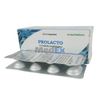
Prolacto
Lactobiotic

GoodGut

Rebio
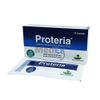
Proteria
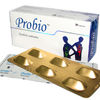
Probio
Wellbac
Acteria
Goodbac-3S
Prokult
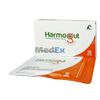
Harmogut

Lactobiotic
Probio (For kids)
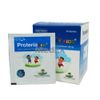
Proteria KIDS
Prokult
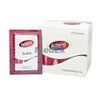
Acteria (For kids)
📖 Official Clinical Monograph
DGDA Approved Prescribing GuidelinesThis is indicated in the following indications-
Diarrhea
Digestive discomfort
Lactose intolerance
Vaginal infection
Antibiotic associated diarrhea
Dosage & Administration1 or 2 probiotics capsules 3 times daily or as directed by the physician.
The use of probiotics is not advised in patients at risk of opportunistic infections and in those with badly damaged GI tracts.
No known toxicity or side-effects.
Studies of probiotic activity in recent years provide evidence that probiotics counter experimental and human gastrointestinal inflammation (human inflammatory bowel disease) by their effects on epithelial cell function, including epithelial cell barrier function, epithelial cytokine secretion and their antibacterial effects relating to colonization of the epithelial layer. It reduces gastrointestinal pH through stimulation of lactic-acid-producing bacteria; provide a direct antagonistic action on gastrointestinal pathogens. Moreover it competes with pathogens for binding and receptor sites. In addition, there is emerging evidence that probiotics induce regulatory T cells that act as a break on the effector T cells that would otherwise cause inflammation.
Lactobacillus acidophilus and Bifidobacterium bifidum appear to enhance the nonspecific immune phagocytic activity of circulating blood granulocytes. This effect may account, in part, for the stimulation of IgA responses in infants infected with rotavirus. Lactic acid bacteria, like strains of Lactobacillus acidophilus, Lactobacillus bulgaricus have also demonstrated antioxidant ability. Mechanisms include chelation of metal ions (iron, copper), scavenging of reactive oxygen species and reducing activity.