 BD Medi
Oxyphenonium Bromide
 Anticholinergics (antimuscarinics)/ Anti-spasmodics
Brands & Prices (4)
📋 Indications & Uses Dosage & Administration⚠️ Contraindications⚡ Side Effects & Adverse Reactions🛡️ Warnings & Precautions🔬 Pharmacology & Mechanism
Anticholinergics (antimuscarinics)/ Anti-spasmodics
Brands & Prices (4)
📋 Indications & Uses Dosage & Administration⚠️ Contraindications⚡ Side Effects & Adverse Reactions🛡️ Warnings & Precautions🔬 Pharmacology & Mechanism
Brand Formulations & Prices
4 brands sorted by unit price
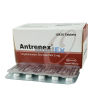


📖 Official Clinical Monograph
DGDA Approved Prescribing GuidelinesA-Spasm is indicated in Gastro-intestinal spasm and hypermotility, cardiospasm, esophagospasm, gastroduodenitis, spastic constipation, pylorospasm, peptic ulcer, spasm associated with carcinoma. Pain and spasm of the biliary tract. Pain and spasm of the urinary tract.
Dosage & AdministrationAverage adult dosage is 10 mg (2 tablets) 4 times daily for several days. Dosage may be reduced depending on patient's response or as directed by the physician.
Glaucoma, obstructive uropathy (for example, bladder neck obstruction due to prospective hypertrophy), obstructive disease of the gastrointestinal tract (as in achalasia, paralytic ileus, pyloroduodenal stenosis, etc.), intestinal atony of the elderly or debilitated patient, unstable cardiovascular status in acute hemorrhage, severe ulcerative colitis, toxic megacolon, complicating ulcerative colitis, myasthenia gravis, hypersensitivity.
Common side effects are dryness of mouth, headache, palpitations, etc.
Children; elderly; benign prostatic hyperplasia; acute MI, cardiac failure, hypertension, thyrotoxicosis; pregnancy and lactation; fever; angle-closure glaucoma.
Oxyphenonium is an anticholinergic drug, a medication that reduces the effect of acetylcholine, a chemical released from nerves that stimulates muscles, by blocking the receptors for acetylcholine on smooth muscle (a type of muscle). It also has a direct relaxing effect on smooth muscle. Oxyphenonium is used to treat or prevent spasm in the muscles of the gastrointestinal tract in the irritable bowel syndrome. In addition, Oxyphenonium inhibits gastrointestinal propulsive motility and decreases gastric acid secretion and controls excessive pharyngeal, tracheal and bronchial secretions.