 BD Medi
Octreotide Acetate
 Growth hormone antagonist
Brands & Prices (5)
📋 Indications & Uses Dosage & Administration⚠️ Contraindications⚡ Side Effects & Adverse Reactions🛡️ Warnings & Precautions🔬 Pharmacology & Mechanism
Growth hormone antagonist
Brands & Prices (5)
📋 Indications & Uses Dosage & Administration⚠️ Contraindications⚡ Side Effects & Adverse Reactions🛡️ Warnings & Precautions🔬 Pharmacology & Mechanism
Brand Formulations & Prices
5 brands sorted by unit price
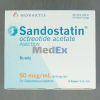
Sandostatin
Octreotide
Octreotide
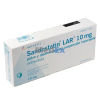
Sandostatin LAR
Sandostatin LAR
📖 Official Clinical Monograph
DGDA Approved Prescribing GuidelinesAcromegaly
: Octreotide Injection is indicated to reduce blood levels of growth hormone (GH) and insulin growth factor-1 (IGF-1; somatomedin C) in acromegaly patients who have had inadequate response to or cannot be treated with surgical resection, pituitary irradiation, and
... Read more
Acromegaly
: Octreotide Injection is indicated to reduce blood levels of growth hormone (GH) and insulin growth factor-1 (IGF-1; somatomedin C) in acromegaly patients who have had inadequate response to or cannot be treated with surgical resection, pituitary irradiation, and bromocriptine mesylate at maximally tolerated doses.
Carcinoid Tumors
: Octreotide Injection is indicated for treatment of severe diarrhea and flushing episodes associated with metastatic carcinoid tumors.
Vasoactive Intestinal Peptide Tumors
: Octreotide Injection is indicated for the treatment of the profuse watery diarrhea associated with vasoactive intestinal peptide tumors (VIPomas)-secreting tumors.
Dosage & AdministrationOctreotide Acetate Injection may be administered subcutaneously or intravenously.
Acromegaly
: Recommended initial Octreotide acetate dosage is 50 mcg three times daily during the initial 2 weeks of therapy. Maintenance dose 100 mcg to 500 mcg three times daily.
Carcinoid Tumors
: Recommended dosage range of 100 mcg to 600 mcg daily in two to four divided doses during the initial 2 weeks of therapy.
VIPomas
: Recommended dosage range of 200 mcg to 300 mcg daily in two to four divided doses during the initial 2 weeks of therapy.
Pediatric Use
: Safety and efficacy of Octreotide Acetate Injection in the pediatric population have not been demonstrated.
Sensitivity to this drug or any of its components.
Most common adverse reactions (incidence >10%) in patients with acromegaly are gallbladder abnormalities, sinus bradycardia, diarrhea, loose stools, nausea, abdominal discomfort, hyperglycemia, and hypothyroidism. In other patients, most common adverse reactions (incidence >10%) are gallbladder abnormalities.
Cardiac Function Abnormalities
: Increased risk for higher degree of atrioventricular blocks. Consider cardiac monitoring in patients
receiving Sandostatin Injection intravenously. Bradycardia, arrhythmias, or conduction abnormalities may occur. Use with caution in at-risk patients. Dosage adjustment of cardiac medications may be necessary.
Cholelithiasis and Complications of Cholelithiasis
: Monitor periodically. Discontinue if complications of cholelithiasis are suspected.
Glucose Metabolism
: Hypoglycemia or hyperglycemia may occur. Glucose monitoring is recommended and anti-diabetic treatment may need adjustment.
Thyroid Function
: Hypothyroidism may occur. Monitor thyroid levels periodically.
Steatorrhea and Malabsorption of Dietary Fats
: New onset steatorrhea, stool discoloration, loose stools, abdominal bloating, and weight loss may occur. If new occurrence or worsening of these symptoms are reported, evaluate for potential pancreatic exocrine insufficiency.
Sandostatin Injection exerts pharmacologic actions similar to the natural hormone, somatostatin. It is an even more potent inhibitor of GH, glucagon, and insulin than somatostatin. Like somatostatin, it also suppresses luteinizing hormone (LH) response to gonadotropin releasing hormone (GnRH), decreases splanchnic blood flow, and inhibits release of serotonin, gastrin, VIP, secretin, motilin, and pancreatic polypeptide. By virtue of these pharmacological actions, octreotide has been used to treat the symptoms associated with metastatic carcinoid tumors (flushing and diarrhea), and VIP secreting adenomas (watery diarrhea).
Octreotide substantially reduces GH and/or IGF-1 (somatomedin C) levels in patients with acromegaly. Single doses of octreotide have been shown to inhibit gallbladder contractility and to decrease bile secretion in normal volunteers. In controlled clinical trials, the incidence of gallstone or biliary sludge formation was markedly increased