 BD Medi
Moxifloxacin Hydrochloride + Xanthan Gum
 4-Quinolone preparations, Ophthalmic antibacterial drugs
Brands & Prices (10)
📋 Indications & Uses Dosage & Administration⚡ Side Effects & Adverse Reactions🛡️ Warnings & Precautions🔬 Pharmacology & Mechanism
4-Quinolone preparations, Ophthalmic antibacterial drugs
Brands & Prices (10)
📋 Indications & Uses Dosage & Administration⚡ Side Effects & Adverse Reactions🛡️ Warnings & Precautions🔬 Pharmacology & Mechanism
Brand Formulations & Prices
10 brands sorted by unit price

Moxilocin XG
Cinagen XG
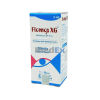
Flomox XG

Floromox XG
Fomox XG
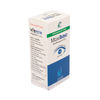
Moxibac XG
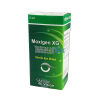
Moxigen XG
Moxlocin XG
Moxquin XG
Optimox XG
📖 Official Clinical Monograph
DGDA Approved Prescribing GuidelinesThis ophthalmic solution is indicated for the treatment of bacterial conjunctivitis caused by susceptible strains of the following organisms-
Aerobic Gram-positive microorganisms
: Corynebacterium Species, Micrococcus Luteus, Staphylococcus Aureus, Staphylococcus Epidermidis
... Read more
This ophthalmic solution is indicated for the treatment of bacterial conjunctivitis caused by susceptible strains of the following organisms-
Aerobic Gram-positive microorganisms
: Corynebacterium Species, Micrococcus Luteus, Staphylococcus Aureus, Staphylococcus Epidermidis, Staphylococcus Haemolyticus, Staphylococcus Hominis, Staphylococcus Warneri, Streptococcus Pneumonia, Streptococcus Viridans group.
Aerobic Gram-negative microorganisms
: Acinetobacter Iwoffii, Haemophilus Influenza, Haemophilus Parainfluenzae.
Dosage & AdministrationOne drop in the affected eye(s) 2 times daily for 7 days.
Pediatric Use
: The safety and effectiveness of Moxifloxacin in infants below four months of age was not proven. However, several clinical studies show that the drug may be used safely in children even younger than one month of age.
Geriatric Use
: No overall differences in safety and effectiveness have been observed between elderly and younger patients.
In 1-6% patients the most frequently reported ocular adverse events are eye irritation, pyrexia, conjunctivitis, decreased visual acuity, dry eye, ocular discomfort, ocular hyperemia, ocular pain, ocular pruritus, subconjunctival hemorrhage and tearing.
Prolonged use may result in overgrowth of non-susceptible organisms, including fungi with other anti-infective.
The antimicrobial action of Moxifloxacin results from inhibition of the topoisomerase II (DNA gyrase) and topoisomerase IV. DNA gyrase is an essential enzyme that is involved in the replication, transcription and repair of bacterial DNA. Topoisomerase IV is an enzyme known to play a key role in the partitioning of the chromosomal DNA during bacterial cell division.