 BD Medi
Metronidazole
 Amoebicides, Anti-diarrhoeal antiprotozoal
Brands & Prices (167)
📋 Indications & Uses Dosage & Administration⚠️ Contraindications⚡ Side Effects & Adverse Reactions🛡️ Warnings & Precautions🔬 Pharmacology & Mechanism
Amoebicides, Anti-diarrhoeal antiprotozoal
Brands & Prices (167)
📋 Indications & Uses Dosage & Administration⚠️ Contraindications⚡ Side Effects & Adverse Reactions🛡️ Warnings & Precautions🔬 Pharmacology & Mechanism
Brand Formulations & Prices
167 brands sorted by unit price

Metropill
M-Dazole
Klion
Nida
Varizil
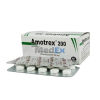
Amotrex
Benzol
Cedol
Decagyl
Dymet
Elygyl

Filmet
Mecozol
Menida
Metfil
Metrol
Metron
Metrona
Metrosil

Metryl
Onida
Melagyl
Strazyl
Amogit
Metroson
Paragyl
Protec
Metrogyl
Metropill
Phidazole
Ormet
Servizol
Apetryl
Menol
Metrolin
Neogyl
Anzole
Remet
M-Dazole
Metrizol
Amezol
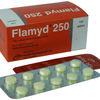
Flamyd
Metrogyl
Metrogard
Tricozyl
Anamet
Kemet
Orozole
Metromax

Metro
G-Metronidazole
Jetrazole
Kilpro
Premet
SB-Mezol
Antipro
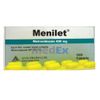
Menilet
Amirid
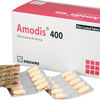
Amodis
Amotrex
Benmet

Biozyl
Clozyl
D Metro
Dirozyl
Egyl
Filmet
Flagyl
Klion
Medizol
Metason
Metco
Metra
Metro
Metrozen
Metryl

Metsina
Micogyl
Nidazyl
Silmet
Amotrex DS
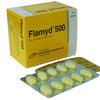
Flamyd
Metrocon
Metryl
Umet
Filmet DS
Metrion

Metroson
Metrosil
G-Metronidazole
Ormet
Metrol
Onida
Menilet
Remagyl
Benzol
Cedol
Dymet
Elygyl
Metropill
Alkazol
D Metro
Metrona
Seemagyl
Phidazole
Strazyl
Neogyl
Anzole
Apetryl
Mecozol
Menida
Metrogyl
Tricozyl
Decagyl
Umet
M-Dazole
Melagyl
Menol
Amezol
Kemet
Antipro
Anamet
Amodis
Amotrex
Benmet
Biozyl
Clozyl
Dirozyl
Dylin
Egyl
Filmet
Flagyl
Flamyd
Klion
Medizol
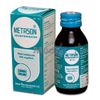
Metason
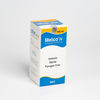
Metco
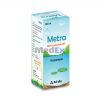
Metra
Metro
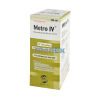
Metro
Metrozen
Metryl
Metsina
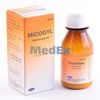
Micogyl
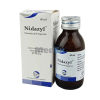
Nidazyl
Silmet

Varizil
Librazol
Metromax
Nidazyl
Metrobac
Flamyd
Filmet
Flamyd V
Kilpro
Metsina
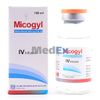
Micogyl
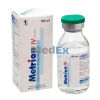
Metrion
Biozyl

Metonid
Amotrex
Dirozyl
Flagyl
Metco
Metro
Metryl
Mez
📖 Official Clinical Monograph
DGDA Approved Prescribing GuidelinesAlkazol is indicated in the treatment of following diseases:
The prevention of post-operative infections due to anaerobic bacteria (particularly species of bacteroides and anaerobic streptococci).
The treatment of septicaemia, bacteraemia, peritonitis, brain abscess, pelvic abscess, pelvic cellulitis and post-operative wound infections caused by anaerobes.
... Read more
Alkazol is indicated in the treatment of following diseases:
The prevention of post-operative infections due to anaerobic bacteria (particularly species of bacteroides and anaerobic streptococci).
The treatment of septicaemia, bacteraemia, peritonitis, brain abscess, pelvic abscess, pelvic cellulitis and post-operative wound infections caused by anaerobes.
In the treatment of urogenital trichomoniasis.
Bacterial vaginosis (also known as non-specific vaginitis).
All forms of amoebiasis (intestinal, extra-intestinal disease and that of symptomless cyst passers).
Giardiasis.
Acute ulcerative gingivitis.
Anaerobically infected leg ulcers and pressure sores.
Acute dental infections due to anaerobic organisms.
Antibiotic associated pseudomembranus colitis.
Dosage & AdministrationTablet and Suspension:
Trichomoniasis (Adults & Children over 10 yrs)-
200 mg tid or 400 mg bid for 7 days
800 mg in the morning and 1-2 gm at night for 2 days
2 gm as a single dose for 1 days
Trichomoniasis (Children)-
Children 7-10 yrs: 100 mg tid
Children 3-7 yrs: 100 mg bid
Children 1-3 yrs: 50 mg tid
Intestinal amoebiasis (Adults & Children over 10 yrs)-
800 mg tid for 5 days
Intestinal amoebiasis (Children)-
Children 7-10 yrs: 400 mg tid
Children 3-7 yrs: 200 mg qid
Children 1-3 yrs: 200 mg tid
Extra-intestinal & Asymptomatic amoebiasis (Adults & Children over 10 yrs)-
400-800 mg tid for 5-10 days
Extra-intestinal & Asymptomatic amoebiasis (Children)-
Children 7-10 yrs: 200-400 mg tid
Children 3-7 yrs: 100-200 mg qid
Children 1-3 yrs: 100-200 mg tid
Giardiasis (Adults & Children over 10 yrs)-
2 gm once daily for 3 days
Giardiasis (Children)-
Children 7-10 yrs: 1 gm once daily
Children 3-7 yrs: 600-800 mg once daily
Children 1-3 yrs: 500 mg once daily
Acute ulcerative gingivitis (Adults & Children over 10 yrs)-
200 mg tid for 3 days
Acute ulcerative gingivitis (Children)-
Children 7-10 yrs: 100 mg tid
Children 3-7 yrs: 100 mg bid
Children 1-3 yrs: 50 mg tid
Acute dental infections (Adults & Children over 10 yrs)-
200 mg tid for 3-7 days
Bacterial Vaginosis (Adults & Children over 10 yrs)-
400 mg bid for 7 days
2 gm as a single dose for 1 days
Leg ulcers and pressure sores (Adults & Children over 10 yrs)-
400 mg tid for 7 days
Anaerobic infections (Adults & Children over 10 yrs)-
800 mg initially and then 400 mg tid for 7 days
Anaerobic infections (Children)-
Children 1-10 yrs: 7.5 mg/kg tid
Surgical prophylaxis (Adults & Children over 10 yrs)-
400 mg tid started 24 hours before surgery for 1 days
Surgical prophylaxis (Children)-
Children 1-10 yrs: 7.5 mg/kg tid
Vaginal Gel:
The recommended dose is one applicator full of Metronidazole gel (approximately 5 grams containing approximately 37.5 mg of Metronidazole) intravaginally once or twice a day for 5 days. For once a day dosing, Metronidazole gel should be administered at bedtime.
Suppository:
Anaerobic Infections-
Adults
: 1 g every 8 hours for 3 days, then 1 g every 12 hours.
Children
: 5-10 years: 500 mg every 8 hours for 3 days, then every 12 hours, Over 10 years adult dose.
Surgical Prophylaxis-
Adults
: 1 g 2 hours before surgery; up to 3 further doses of 1 g may be given every 8 hours for high risk procedures.
Children
: 5-10 years: 500 mg 2 hours before surgery; up to 3 further doses of 500 mg may be given every 8 hours for high risk procedures.
IV Infusion:
Metronidazole intravenous infusion requires no dilution and should not be mixed with any other drugs prior to administration.
Adults and children over 12 years
: Infuse 500 mg 8 hourly at a rate of 5 ml/minute and a maximum of 4 g should not be exceeded during a 24-hour period. Treatment for 7 days is sufficient for most patients, but treatment can be extended, especially for cases where reinfection is likely. For surgical prophylaxis, administration shortly before surgery should be followed by 8-hourly doses for the next 24 hours.
Children under 12 years
: 7.5 mg/kg body weight/day every 8 hours at a rate of 5 ml/minute.
Metronidazole is contraindicated in patients with a history of hypersensitivity to Metronidazole or other Nitroimidazole derivatives.
Metallic taste, nausea, vomiting, diarrhoea, drowsiness, rashes may be observed during treatment.
If for compelling reasons, Alkazol must be administered longer than the usually recommended duration, it is recommended that hematological tests, especially leucocyte count should be carried out regularly and that patients should be monitored for adverse reactions such as peripheral or central neuropathy (such as paresthesia, ataxia, dizziness, convulsive seizures).
Alkazol should be administered with caution to patients with hepatic encephalopathy.
Patients should be warned that Alkazol may darken urine.
Metronidazole is a member of the imidazole class of antibacterial drug and is classified therapeutically as an antiprotozoal agent. The 5-nitro group of Metronidazole is reduced by anaerobes metabolically. Studies have demonstrated that the reduced form of this drug interacts with DNA and gives bactericidal action of Metronidazole.