 BD Medi
Levocetirizine Dihydrochloride
 Non-sedating antihistamines
Brands & Prices (30)
📋 Indications & Uses Dosage & Administration⚠️ Contraindications⚡ Side Effects & Adverse Reactions🛡️ Warnings & Precautions🔬 Pharmacology & Mechanism
Non-sedating antihistamines
Brands & Prices (30)
📋 Indications & Uses Dosage & Administration⚠️ Contraindications⚡ Side Effects & Adverse Reactions🛡️ Warnings & Precautions🔬 Pharmacology & Mechanism
Brand Formulations & Prices
30 brands sorted by unit price

Lecitin
Lerex
Liset
Megatrol
Verizin
Vocet
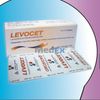
Levocet
Levant

Clarigen

Levotiz
Lupron
Zival
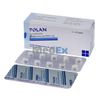
Polan

Rinotin
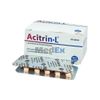
Acitrin-L
Lozin
LVC

Curin
Lecet
Purotrol

Netis
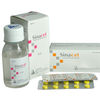
Sinacet

Alcet
Rinocet

Seasonix

Alcet
Sinacet

Acitrin-L

Netis
Seasonix
📖 Official Clinical Monograph
DGDA Approved Prescribing GuidelinesAcitrin-L is indicated in the treatment of symptoms associated with allergic conditions such as-
perennial allergic rhinitis
seasonal allergic rhinitis
chronic idiopathic urticaria
Dosage & AdministrationAdult and children 12 years of age and older
: The recommended dose is 5 mg once daily.
Children 6 to 11 years of age
: The recommended dose is 2.5 mg (½ tablet or 1 teaspoon oral solution) once daily.
Children 6 months to 5 years of age
: The recommended dose is 1.25 mg (½ teaspoon oral solution) once daily.
Pediatric use
: The recommended dose for the treatment of the uncomplicated skin manifestations of chronic idiopathic urticaria in patients 6 months to 17 years of age is based on extrapolation of efficacy from adults 18 years of age and older.
Geriatric use
: In clinical studies, each approved indication did not include sufficient numbers of patients aged 65 years and older to determine whether they respond differently than younger patients.
Hepatic impairment
: No dosage adjustment is required in patients with solely hepatic impairment.
Renal impairment
:
Mild renal impairment (creatinine clearance: 50-80 ml/min): a dose of 2.5 mg once daily is recommended.
Moderate renal impairment (creatinine clearance: 30-50 ml/min): a dose of 2.5 mg once every other day is recommended.
Severe renal impairment (creatinine clearance: 10-30 ml/min): a dose of 2.5 mg twice weekly (administered once every 3-4 days) is recommended.
End-stage renal disease patients (creatinine clearance: <10 ml/min) and patients undergoing hemodialysis: should not receive Levocetirizine.
Hypersensitivity to levocetirizine, cetirizine or its parent compound hydroxyzine. Patients with severe renal impairment (creatinine clearance: <10 ml/min) should not be administered levocetirizine.
Generally, levocetirizine is well tolerated. However, a few side effects like headache, dry mouth, fatigue and skin rash have been reported rarely.
Epileptic patients and patients at risk of convulsions. Renal impairment. Pregnancy and lactation.
This preparation contains Levocetirizine Dihydrochloride. Levocetirizine is the active (Levo) isomer of cetirizine. It is a new highly effective and well-tolerated nonsedating antihistamine with potent antiallergic properties. It has a two-fold higher affinity for H1 receptors than cetirizine. Levocetirizine has a rapid and long-acting action, allowing once-a-day administration.