 BD Medi
Ketorolac Tromethamine
 Drugs used for Rheumatoid Arthritis, Non-Opioid Analgesics
Brands & Prices (236)
📋 Indications & Uses Dosage & Administration⚠️ Contraindications⚡ Side Effects & Adverse Reactions🛡️ Warnings & Precautions🔬 Pharmacology & Mechanism
Drugs used for Rheumatoid Arthritis, Non-Opioid Analgesics
Brands & Prices (236)
📋 Indications & Uses Dosage & Administration⚠️ Contraindications⚡ Side Effects & Adverse Reactions🛡️ Warnings & Precautions🔬 Pharmacology & Mechanism
Brand Formulations & Prices
236 brands sorted by unit price
Surgin
Ket
Apilac
Detolac
KTL
Painrel
Tromark
Rolamax
Xiroket
Kitocos
Actifast
Altorec

Analac
Apoket
Ditrolac

Doltro
Eket

Etorac
Hi-Lac
Inket
KPR
KTM
Kepros
Kerol
Ketoact
Ketolac
Ketora
Ketorolac
Ketorolac
Ketoropack
Ketoroz
Ketosav
Ketoshot
Ketovir
Kilpan
Kitorex
Knil
Korola
Lactro
Lixidol
Lupelac
Nouranz
Ostelac
Painfree
Painlok
Petorolac
Petrolac
Roket
Rolafen
Rotek
SB-Ketor
Surpim
Toro
Torolac
Tram-K
Troy
Xenolac

Xidolac
Zepac
Ketoflex
Ketoprix
Ofpain
Repopain
Sanoket
Tolec
Arolak

Ketorin
Toralin
Veslac
Emodol
Eurolac
Kerolac
Ketonaaf
Ketostar
Kflam
Temoket
Angesic
Doloket
Orc

Acupain

Etolac
K-Lac
Kelac
Kelorac
Ketobe
Ketonic
Ketromin
Maxdol
Minolac
Oradol
Pair

Perilac

Rolac
Rolacton
Rotalac
Todol
Torafix
Toroaid
Torosic
Troket
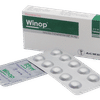
Winop

Xidolac Meltab
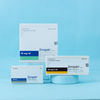
Zeropain
Kenodol
Ketofast
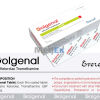
Dolgenal
Etorac MDT

Lacor
Rolac MDT
Romilac
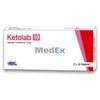
Ketolab
Ketoplex
Ketowell
Torax
Kevan
Deltora
ISP
Keteks

Toramax
Toradolin
Surgidol
Surpim
Eurolac
K-Lac
Ketobe
Ketonic
Ketoroz
Korac
Maxdol
Oradol
Repopain
Rotalac
Temoket
Toralin
Xidolac
Xiroket
Ketofast

Ketorin
Ofpain
Tolec

Rolac
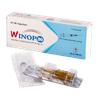
Winop
Doloket
Doltro
Ketromin
Knil
Pair
Torafix
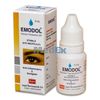
Emodol
Pair
Ketogate
Kepronol
Ketolac
Ketromin
Romilac
Surpim
Toroaid
Ofpain

Lopadol
Recular
Todol
Etolac
Maxdol
Analac

Etorac
Eurolac
K-Lac
Kenodol
Keteks
Ketonic
Knil
Oradol
Repopain
Roket
Rotalac
Surpim
Toralin
Toro
Ofpain
Sanoket
Tolec

Rolac
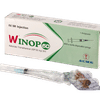
Winop
Doltro
Etolac

Todol

Torax
Torosic
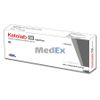
Ketolab
Todol

Lacor
Romilac
Xidolac
Arolak

Rolac

Rolac NS
Toramax
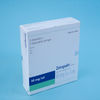
Zeropain
Kelac
Eket
Rotek
Analac
Etorac
Kelorac
Kepros
Ket
Keteks
Kflam
Korola
Roket
Ketoprix
Arolak
Toroaid
Sanoket
Kflam
Emodol
Acupain
Etolac
Ketovalor
Minolac
Perilac
Todol
Torax
Torosic
Zeropain
Kenodol
Ketolab
Kelac
Ketromin
Perilac
Toroaid
Ketoprix
Minolac
Ketoshot
Toramax
Toradolin
📖 Official Clinical Monograph
DGDA Approved Prescribing GuidelinesActifast is indicated for the short-term management of moderate to severe acute post-operative pain. Actifast ophthalmic solution helps relieve pain, inflammation, and light sensitivity after ocular surgery. It may also be used to decrease eye inflammation or redness caused by seasonal allergies.
Dosage & AdministrationTablet
: Recommended dose is 10 mg every 4-6 hours. It should be used short-term only (up to 7 days) and are not recommended for chronic use. Doses exceeding 40 mg/day is not recommended.
Injection
: Ketorolac injection may be used as a single or multiple doses, on a regular or when necessary schedule for the management of moderately severe, acute pain that requires analgesia at the opioid level, usually in a postoperative setting. When administering Ketorolac injection, the IV bolus must be given over no less than 15 seconds. The IM administration should be given slowly and deeply into the muscle. The analgesic effect begins within 30 minutes with maximum effect in 1 to 2 hours after dosing IV or IM. Duration of analgesic effect is usually 4 to 6 hours.
Single-Dose Treatment-
IM Dosing (Adult):
Patients <65 years of age
: One dose of 60 mg.
Patients >65 years of age, renally impaired and/or less than 50 kg of body weight
: One dose of 30 mg.
IV Dosing (Adult):
Patients <65 years of age
: One dose of 30 mg.
Patients >65 years of age, renally impaired and/or less than 50 kg of body weight
: One dose of 15 mg.
IV or IM Dosing (2 to 16 years of age):
IM Dosing
: One dose of 1 mg/kg up to a maximum of 30 mg.
IV Dosing
: One dose of 0.5 mg/kg up to a maximum of 15 mg.
Multiple-Dose Treatment (IV or IM)-
Patients <65 years of age
: The recommended dose is 30 mg Ketorolac injection every 6 hours. The maximum daily dose should not exceed 120 mg. Patients >65 years of age, renally impaired patients and patients less than 50 kg: The recommended dose is 15 mg Ketorolac injection every 6 hours. The maximum daily dose for these populations should not exceed 60 mg. For breakthrough pain, do not increase the dose or the frequency of Ketorolac Tromethamine.
Conversion from Parenteral to Oral Therapy
: Ketorolac tablets may be used either as monotherapy or as follow-on therapy to parenteral Ketorolac. When Ketorolac tablets are used as a follow-on therapy to parenteral Ketorolac, the total combined daily dose of ketorolac (oral + parenteral) should not exceed 120 mg in younger adult patients or 60 mg in elderly patients on the day the change of formulation is made. On subsequent days, oral dosing should not exceed the recommended daily maximum of 40 mg. Ketorolac IM should be replaced by Ketorolac tablet as soon as feasible. The total duration of combined parenteral and oral treatment should not exceed 5 days.
Eye Drops
: Adults: 1 drop in each eye 4 times daily.
Ketorolac is contraindicated in patients having hypersensitivity to this drug or other NSAIDs. It should not be used in children under 16 years of age. lt is also contraindicated as prophylactic analgesic before surgery.
Commonly occurring side effects are nausea, vomiting, gastro-intestinal bleeding, melana, peptic ulcer, pancreatitis, anxiety, drowsiness, headache, excessive thirst, fatigue, bradycardia, hypertension, palpitation, chest pain, infertility in female and pulmonary edema.
Caution should be exercised in patients over the age of 65 years. Caution should also be taken in patients with active or suspected peptic ulcer or gastrointestinal bleeding or asthma and liver dysfunction.
Eye Drops: Patients with evidence of corneal epithelial breakdown should immediately discontinue use of topical NSAIDs and should be closely monitored for corneal health. Lopadol ophthalmic solution should not be administered while wearing contact lenses.
Ketorolac Tromethamine is a potent analgesic of the non-steroidal anti-inflammatory drugs (NSAIDs). It acts by inhibiting the cyclooxygenase enzyme system and hence inhibits the prostaglandin synthesis. It demonstrates a minimal anti-inflammatory effect at its analgesic dose.