 BD Medi
Hyoscine Butylbromide
 Anticholinergics (antimuscarinics)/ Anti-spasmodics
Brands & Prices (34)
📋 Indications & Uses Dosage & Administration⚠️ Contraindications⚡ Side Effects & Adverse Reactions🛡️ Warnings & Precautions
Anticholinergics (antimuscarinics)/ Anti-spasmodics
Brands & Prices (34)
📋 Indications & Uses Dosage & Administration⚠️ Contraindications⚡ Side Effects & Adverse Reactions🛡️ Warnings & Precautions
Brand Formulations & Prices
34 brands sorted by unit price
Hybucin
Hysoma
Butason
Ancopan
Sapen
Butabrom
Asipan
Butalpen
Colipan
Pasmodil
Lopan
Resopan
Hysocin
Spasmozen
Hysin
Ancopan
G-Hyoscine
Colipan
Colik
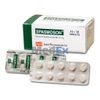
Spasmoson
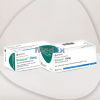
Butapan
Colik

Hysomide

Spanil
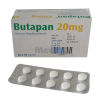
Butapan
Hysomide
Hysopan
Colipan
Butapan
G-Hyoscine
Hysin
Colik
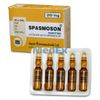
Spasmoson
Hysomide
📖 Official Clinical Monograph
DGDA Approved Prescribing GuidelinesAncopan is an anticholinergic drug with an antispasmodic action on the smooth muscles of various organs in the abdominal cavity.
Tablets: Indicated for the relief of symptoms caused by visceral spasms in the gastrointestinal tract or genitourinary tract. It is also indicated for spasmodic dysmenorrhea (painful periods).
... Read more
Ancopan is an anticholinergic drug with an antispasmodic action on the smooth muscles of various organs in the abdominal cavity.
Tablets: Indicated for the relief of symptoms caused by visceral spasms in the gastrointestinal tract or genitourinary tract. It is also indicated for spasmodic dysmenorrhea (painful periods).
Injections: Indicated for acute spasms of the gastrointestinal tract, as well as severe renal (kidney) or biliary (gallbladder) colic.
Diagnostic Use: Ancopan injection is used to relieve spasms during diagnostic and radiological procedures, such as differential diagnosis of obstruction, reducing spasm and pain in pyelography, and during gastro-duodenal endoscopy.
Dosage & AdministrationOral-
Adults: 20 mg, four times a day. For spasmodic dysmenorrhea, treatment should ideally begin at least two days before the expected start of menstruation and continue for up to three days after the period starts.
Children (6 to 12 years): 10 mg, three times a day, or as directed by a physician.
Injection-
Adults (Intramuscular or Intravenous): The usual dose is 20 mg (1 ampoule). If necessary, this dose can be repeated after 30 minutes. During endoscopy, this dose may need to be administered more frequently.
This medication is contraindicated (should not be used) in patients with:
Prostatic enlargement (BPH). It must be used with caution in elderly patients.
Paralytic ileus or pyloric stenosis.
Glaucoma, due to the risk of mydriatic damage (increased pressure inside the eye).
The side effects of Ancopan include:
Dry mouth and dry skin.
Pupil dilation (mydriasis) and increased intraocular pressure.
Flushing.
Bradycardia (slow heart rate) followed by tachycardia (fast heart rate) and arrhythmia (irregular heartbeat).
Occasionally, fatigue, vomiting, giddiness (dizziness), and staggering may occur.
Precautions
: Ancopan can cause drowsiness and decrease mental alertness. Patients undergoing treatment with Ancopan should not drive, operate vehicles, or handle machinery where a lack of mental focus could cause accidents. Patients should also abstain from consuming alcohol.
Warnings
:
Cardiovascular Conditions: Caution should be exercised in conditions like thyrotoxicosis, cardiac insufficiency or failure, and cardiac surgery, as Ancopan can further increase the heart rate.
Drug Interactions: Concurrent administration with other anticholinergic drugs—such as amantadine, certain antihistamines, butyrophenones, phenothiazines, and tricyclic antidepressants—may enhance the effect of Ancopan. In such cases, the dosage of Ancopan may need to be reduced.