 BD Medi
Fexofenadine Hydrochloride
 Non-sedating antihistamines
Brands & Prices (228)
📋 Indications & Uses Dosage & Administration⚠️ Contraindications⚡ Side Effects & Adverse Reactions🛡️ Warnings & Precautions🔬 Pharmacology & Mechanism
Non-sedating antihistamines
Brands & Prices (228)
📋 Indications & Uses Dosage & Administration⚠️ Contraindications⚡ Side Effects & Adverse Reactions🛡️ Warnings & Precautions🔬 Pharmacology & Mechanism
Brand Formulations & Prices
228 brands sorted by unit price
Amifex

Fenadin ODT
Fexofast
Fexozen

Fixal
Furia
Dinafex
Fenadin
Fexo
Alagra

Axodin
Delfex
Fenofex
Fexomax
Fexomin

Perfex

Vifas
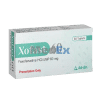
Xofast
Fenaxo
Fixal
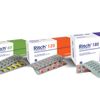
Ritch
Exfen
Fexirin
Adifex
Cpdin
Fastact
Nolargy
Rynofex
Xofedin
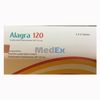
Alagra
Alphedin
Amifex
Axodin
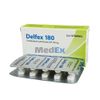
Delfex
ED-Fex
Elfexo
FD-120
Fegra
Fenox
Ferdin
Fesler
Fexen
Fexlor
Fexobest
Fexocare
Fexole
Fexozen
Nefoxen
Predine
Soldin
Xofena
Xonad
Fenaxo
Fexotab
Flufex
Fexocon
Furia
Alafree

Alerfast
Alerfex
Alfex
Ambfex
Exfen
Exonid
Fexadyne
Fexirin
Fexofen
Fexomin
Fexon
Fexona
Fexosic
Fexoton
Fexsil
Fexten
Fextive
Fixasin
Fixen
Fondy
Nafex
Nexofen
Nolargy
Nosedex
Odofex
Rafex
SB-Fexec
Sifena
Telfex
Xofast
Xonad
Xofedin
Fenargic
Histafen
Rynofex
Odafen

Afexa
Alanil
Alerfex
Ambfex
Axodin
Axofen
Dinafex
Elfexo

Fenadin
Fenafex
Fesler
Fexlor
Fexo
Fexocare
Fexocold
Fexocon
Fexodin
Fexofast
Fexofast
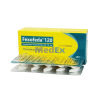
Fexofeda
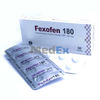
Fexofen
Fexomin
Fexon
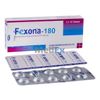
Fexona
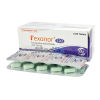
Fexonor

Fexoral
Fexosic
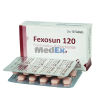
Fexosun
Fixal
Nefoxen
Perfex
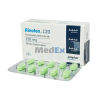
Rinofen
Ritch
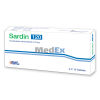
Sardin
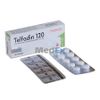
Telfadin
Vifas
X-Din
Xofast
Xofena
Fenaxo
Fexotab
Furia
Nafex
Odafen
Afexa
Alagra
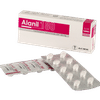
Alanil
Alerfast
Axofen
Dinafex
Exonid
Fastel

Fenadin
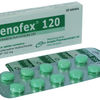
Fenofex
Fexen
Fexobest
Fexofeda
Fexonaaf
Fexonor
Fexoral
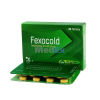
Fexorush
Fexsil
Fixal
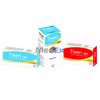
Fixen
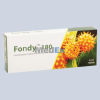
Fondy
Perfex
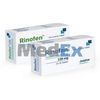
Rinofen
Sardin
Telfadin
Telfast
Telfex
Vifas
X-Din
Fexosun
Ritch
Fenofex
Fexo
Fastel
Telfast

Fenadin

Fastact
Alfex
ED-Fex
Fenaxo
Fesler
Fexomin
Fexoral
Nolargy
Rafex
Xofena
Xonad
Furia
Elfexo
Exonid
Fenafex
Fexobest
Fexofast
Fexofen
Fextive
Telfadin
Telfex
Alafree
Afexa
Alagra
Alanil
Alerfast
Alerfex
Axodin
Axofen
Delfex
Dinafex
Fenargic
Fexo
Fexocold
Fexocon
Fexodin
Fexona
Fexonor
Fexsil
Fexten

Fixal
Fixen
Odafen
Perfex
Ritch
Sardin
Vifas
X-Din
Fexoril
Fenofex
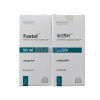
Fastel
Fexonaaf

Telfast
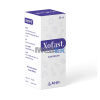
Xofast
📖 Official Clinical Monograph
DGDA Approved Prescribing GuidelinesAllergic rhinitis
: Adifex is indicated for the relief of symptoms associated with seasonal and perennial allergic rhinitis, in adults and children 12 years of age and over. Symptoms treated effectively include sneezing, rhinorrhea, lacrimation, itchy, red eyes and itchy nose/palate/throat
... Read more
Allergic rhinitis
: Adifex is indicated for the relief of symptoms associated with seasonal and perennial allergic rhinitis, in adults and children 12 years of age and over. Symptoms treated effectively include sneezing, rhinorrhea, lacrimation, itchy, red eyes and itchy nose/palate/throat. Adifex improves health-related quality of life and work/activity productivity.
Chronic idiopathic urticaria
: Adifex is indicated for the relief of symptoms associated with chronic idiopathic urticaria in adults and children 12 years of age and older. Adifex significantly reduces the signs and symptoms of chronic idiopathic urticaria, the number of wheals, and pruritus. Adifex improves health-related quality of life and work/activity productivity.
Dosage & AdministrationAllergic Rhinitis-
Adults and children 12 years and older:
Tablet: 60 mg twice daily or 120 mg once daily or 180 mg once daily
In case of impaired renal function: 60 mg once daily
Children from 6 to 11 years:
Tablet: 30 mg twice daily or 60 mg once daily
In case of impaired renal function: 30 mg once daily
Children from 2 to 11 years
Suspension: 30 mg or 5 ml twice daily
In case of impaired renal function: 30 mg or 5 ml once daily
Chronic Idiopathic Urticaria-
Adults and children 12 years and older:
Tablet: 60 mg twice daily or 120 mg once daily or 180 mg once daily
In case of impaired renal function: 60 mg once daily
Children from 6 to 11 years:
Tablet: 30 mg twice daily or 60 mg once daily
In case of impaired renal function: 30 mg once daily
Children from 6 months to less than 2 years:
Suspension: 15 mg or 2.5 ml (1/2 tsp) twice daily
In case of impaired renal function: 15 mg or 2.5 ml (1/2 tsp) once daily
Children from 2 to 11 years:
Suspension: 30 mg or 5 ml (1 tsp) twice daily
In case of impaired renal function: 30 mg or 5 ml (1 tsp) once daily
Contraindicated in patients with known hypersensitivity to Fexofenadine Hydrochloride or any of its ingredients.
The following frequency rating has been used, when applicable: Very common ≥1/10; Common ≥1/100 and <1/10; Uncommon ≥1/1,000 and <1/100; Rare ≥1/10,000 and <1/1,000; Very rare <1/10,000 and not known (frequency cannot be estimated from the available data). Within each frequency grouping, undesirable effects are presented in order of decreasing seriousness. In adults, the following undesirable effects have been reported in clinical trials, with an incidence similar to that observed with placebo: Nervous system disorders- Common: headache, drowsiness, dizziness; Gastrointestinal disorders- Common: nausea; General disorders and administration site conditions- Uncommon: fatigue. In adults, the following undesirable effects have been reported in post-marketing surveillance. The frequency with which they occur is not known (cannot be estimated from available data): Immune system disorders- hypersensitivity reactions with manifestations such as angioedema, chest tightness, dyspnoea, flushing and systemic anaphylaxis; Psychiatric disorders- insomnia, nervousness, sleep disorders or nightmares/excessive dreaming (paroniria); Cardiac disorders- tachycardia, palpitations; Gastrointestinal disorders- diarrhea; Skin and subcutaneous tissue disorders- rash, urticaria, pruritus
As with most new medicinal products there is only limited data in the older people and renally or hepatically impaired patients. Adifex should be administered with care in these special groups. Patients with a history of or ongoing cardiovascular disease should be warned that, antihistamines as a medicine class, have been associated with the adverse reactions, tachycardia and palpitations.
Effects on ability to drive and use machines: On the basis of the pharmacodynamic profile and reported adverse reactions it is unlikely that Adifex tablets will produce an effect on the ability to drive or use machines. In objective tests, Adifex has been shown to have no significant effects on central nervous system function. This means that patients may drive or perform tasks that require concentration. However, in order to identify sensitive people who have an unusual reaction to medicinal products, it is advisable to check the individual response before driving or performing complicated tasks.
The H1 histamine receptor is responsible for mediating hypersensitivity and allergic reactions. Exposure to allergen results in the degranulation of mast cells and basophils, which then release histamine and other inflammatory mediators. Histamine binds to, and activates, H1 receptors, which results in the further release of pro-inflammatory cytokines, such as interleukins, from basophils and mast cells. These downstream effects of histamine binding are responsible for a wide variety of allergic symptoms, such as pruritus, rhinorrhea, and watery eyes.
Fexofenadine is considered an "inverse agonist" of the H1 receptor because it binds to and stabilizes the inactive form of the receptor, preventing its activation and subsequent downstream effects. It has a potent and selective affinity for H1 receptors, and there is no evidence that it carries antidopaminergic, antiserotonergic, anticholinergic, sedative, or adrenergic blocking activity. Fexofenadine does not cross the blood-brain barrier and thus is unlikely to cause significant CNS effects.