 BD Medi
Empagliflozin
 Sodium-glucose Cotransporter-2 (SGLT2) Inhibitors
Brands & Prices (69)
📋 Indications & Uses Dosage & Administration⚠️ Contraindications⚡ Side Effects & Adverse Reactions🛡️ Warnings & Precautions🔬 Pharmacology & Mechanism
Sodium-glucose Cotransporter-2 (SGLT2) Inhibitors
Brands & Prices (69)
📋 Indications & Uses Dosage & Administration⚠️ Contraindications⚡ Side Effects & Adverse Reactions🛡️ Warnings & Precautions🔬 Pharmacology & Mechanism
Brand Formulations & Prices
69 brands sorted by unit price
Epaglin
Eflow
Empazin

Glipatab
Empanor
D-Fozin

Adempa

Ajardy

Coport

Diampa
Diastat
Emaglin
Emazid
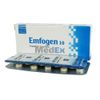
Emfogen
Emglif
Emglit
Emjard
Emlozin
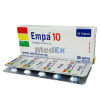
Empa
Empadi

Empadus
Empala
Emparol
Empastar

Empatab

Empavic
Empoli

Evania

Glycenor

Jardian

Sinjard
Sucozin
Glifo
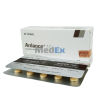
Ardance
Eflow

Empaglif
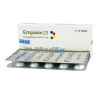
Empazin

Glipatab
Ajardy
D-Fozin
Diastat
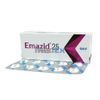
Emazid

Emfogen
Emglit
Emjard
Emlozin
Empadus
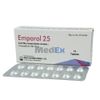
Emparol
Empastar

Empatab

Empavic
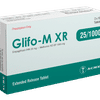
Glifo
Jardian
Sucozin
Coport
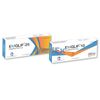
Emglif
Empadi
Evania
Adempa
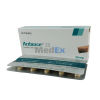
Ardance
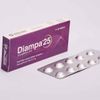
Diampa
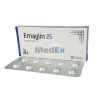
Emaglin
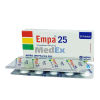
Empa
Empaglif
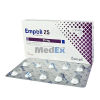
Empoli
Glycenor
Sinjard
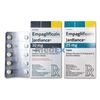
Jardiance
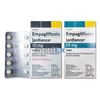
Jardiance
📖 Official Clinical Monograph
DGDA Approved Prescribing GuidelinesAdempa is indicated in:
As an adjunct to diet and exercise to improve glycemic control in adults with type 2 diabetes mellitus.
To reduce the risk of cardiovascular death in adult patients with type 2 diabetes mellitus and established cardiovascular disease.
Dosage & AdministrationThe recommended dose of Empagliflozin is 10 mg once daily, taken in the morning, with or without food. In patients tolerating Empagliflozin, the dose may be increased to 25 mg once daily. In patients with volume depletion, correcting this condition prior to initiation of Empagliflozin is recommended.
Empagliflozin is contraindicated in patients with history of serious hypersensitivity reaction to Empagliflozin or any of its ingredients, severe renal impairment, end-stage renal disease, or dialysis.
The most common adverse reactions associated with Adempa are urinary tract infections and female genital mycotic infections. Others common side effects includes dehydration, hypotension, weakness, dizziness and increased thirstiness.
Assessment of renal function is recommended prior to initiation of Adempa and periodically thereafter. Adempa should not initiated in patients with an eGFR less than 45 ml/min/1.73 m
2
. No dose adjustment is needed in patients with an eGFR greater than or equal to 45 ml/min/1.73 m
2
.
Empagliflozin is a sodium glucose co-transporter-2 (SGLT-2) inhibitor. SGLT2 co-transporters are responsible for reabsorption of glucose from the glomerular filtrate in the kidney. The glucuretic effect resulting from SGLT2 inhibition reduces renal absorption and lowers the renal threshold for glucose, resulting in increased glucose excretion. Additionally, it contributes to reduced hyperglycaemia, assists weight loss, and reduces blood pressure.