 BD Medi
Diphenhydramine Hydrochloride
 Sedating Anti-histamine
Brands & Prices (12)
📋 Indications & Uses Dosage & Administration⚠️ Contraindications⚡ Side Effects & Adverse Reactions🛡️ Warnings & Precautions🔬 Pharmacology & Mechanism
Sedating Anti-histamine
Brands & Prices (12)
📋 Indications & Uses Dosage & Administration⚠️ Contraindications⚡ Side Effects & Adverse Reactions🛡️ Warnings & Precautions🔬 Pharmacology & Mechanism
Brand Formulations & Prices
12 brands sorted by unit price

Dorenta

Pedryl
Bena-Flu
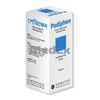
Pediphen
Difin
Dorenta
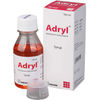
Adryl

Pedeamin
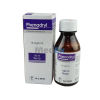
Phenadryl

Rymin
Pedilar
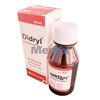
Didryl
📖 Official Clinical Monograph
DGDA Approved Prescribing GuidelinesAdryl syrup is indicated for the treatment of allergic diseases such as hay fever, allergic rhinitis, urticaria, angioedema, atopic dermatitis, contact dermatitis, gastrointestinal allergy, pruritus, physical allergies, reaction to injection of contrast media, reaction to therapeutic preparation
... Read more
Adryl syrup is indicated for the treatment of allergic diseases such as hay fever, allergic rhinitis, urticaria, angioedema, atopic dermatitis, contact dermatitis, gastrointestinal allergy, pruritus, physical allergies, reaction to injection of contrast media, reaction to therapeutic preparation and allergic transfusion reactions; also postoperative nausea and vomiting and motion sickness. It is also used for the treatment of certain forms of parkinsonism and certain allergic conjunctivitis. Sometimes it may use as a night time sleep aid and for the short-term management of insomnia.
Dosage & AdministrationAntihistamine and antitussive
:
Tablet:
Adults: 25 mg to 50 mg 3 to 4 times daily.
Children (10 years or over): 25 mg 3 or 4 times daily or as directed by the physician.
Syrup:
Children under 2 years: 2.5 mL every 4 to 6 hours.
Children 2 to under 6 years: 5 mL every 4 to 6 hours.
Children 6 to 12 years: 10-20 mL every 4 to 6 hours.
Adults and children≥12 years: 10-20 mL every 4 to 6 hours.
Sleep aid
:
Adults and children over 12 years: 50 mg at bedtime.
Diphenhydramine is contraindicated for the premature or newborn infants. Hypersensitivity to any of the component of this drug. Asthma attack, narrow angle glaucoma, prostatic hypertrophy, stenosing peptic ulcer, pyloroduodenal obstructions, bladder neck obstruction, patients receiving antidepressant therapy.
Side-effects include drowsiness, dizziness and dryness of mouth, nausea and vomiting. Other infrequently reported effects are vertigo, palpitation, blurring of vision, headache, restlessness, insomnia and thickening of bronchial secretions. Allergic reactions, diarrhoea, vomiting and excitation may also occur.
Patients should be cautioned not to operate vehicles or hazardous machinery until their response to the drug has been determined.
Diphenhydramine has anti-histaminic (H1-receptor), anti-emetic, anti-vertigo and sedative and hypnotic properties. The anti-histamine action occurs by blocking the spasmogenic and congestive effects of histamine by competing with histamine for H1 receptor sites on effector cells, preventing but not reversing responses mediated by histamine alone. Such receptor sites may be found in the gut, uterus, large blood vessels, bronchial muscles, and elsewhere. Anti-emetic action is by inhibition at the medullary chemoreceptor trigger zone. Anti-vertigo action is by a central antimuscarinic effect on the vestibular apparatus and the integrative vomiting center and medullary chemoreceptor trigger zone of the midbrain.