 BD Medi
Dicycloverine Hydrochloride
 Anticholinergics (antimuscarinics)/ Anti-spasmodics
Brands & Prices (17)
📋 Indications & Uses Dosage & Administration⚡ Side Effects & Adverse Reactions🛡️ Warnings & Precautions🔬 Pharmacology & Mechanism
Anticholinergics (antimuscarinics)/ Anti-spasmodics
Brands & Prices (17)
📋 Indications & Uses Dosage & Administration⚡ Side Effects & Adverse Reactions🛡️ Warnings & Precautions🔬 Pharmacology & Mechanism
Brand Formulations & Prices
17 brands sorted by unit price
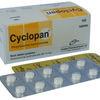
Cyclopan

Ibspa

Loverin
Robentyl
Winspa
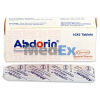
Abdorin
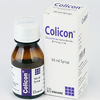
Colicon
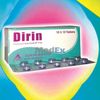
Dirin
Diverin

Ibspa
Winspa
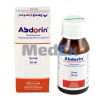
Abdorin
Diverin
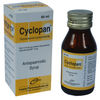
Cyclopan
Colicon
Robentyl
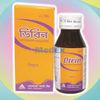
Dirin
📖 Official Clinical Monograph
DGDA Approved Prescribing GuidelinesAbdorin is indicated in:
Functional bowel/irritable bowel syndrome
Urinary incontinence secondary to unstable detrusor muscle
Infantile colic
GIT spasm
Colicky abdominal pain
Diverticulitis
Abdominal colic
Dosage & AdministrationFor oral dosage forms:
Adults
:10 to 20 mg three times a day.
Children over 6 months of age
: 5 to 10 mg three times a day.
For injectable dosage form:
Adults
: Intramuscular injection. Not for intravenous use. The recommended intramuscular dose is 80 mg daily (in 4 equally divided doses).
Oral dicycloverine Hydrochloride should be started as soon as possible and the intramuscular form should not be used for periods longer than 1 or 2 days.
Children
: Dose must be determined by the doctor.
Insomnia, mydriasis, cycloplegia, increased ocular tension, urinary hesitancy, palpitations, dyspnea.
Use with caution in patients with autonomic neuropathy, hepatic or renal disease, ulcerative colitis, coronary heart disease, congestive heart failure, cardiac tachyarrhythmia, hiatal hernia, known or suspected prostatic hypertrophy.
Dicycloverine hydrochloride is an antispasmodic and anticholinergic (antimuscarinic) agent. Chemically, it is [Bicyclohexyl-]1-carboxylic acid, 2-(diethylammo) ethyl ester, hydrochloride. Dicycloverine relieves smooth muscle spasm of the gastrointestinal tract. Dicycloverine HCl Injection is a sterile, pyrogen-free, aqueous solution for intramuscular injection (Not For Intravenous Use). It works at specific receptors, called cholinergic (or muscarinic) receptors, located on the involuntary muscle in the walls of the gut. By binding to these receptors dicycloverine prevents certain chemicals produced by the body from interacting with these receptors. This causes the gut muscle to relax, relieving the pain of colic produced by gut muscle contraction and spasm.