 BD Medi
Diclofenac Sodium
 Drugs for Osteoarthritis, Drugs used for Rheumatoid Arthritis, Non-steroidal Anti-inflammatory Drugs (NSAIDs)
Brands & Prices (192)
📋 Indications & Uses Dosage & Administration⚠️ Contraindications⚡ Side Effects & Adverse Reactions🛡️ Warnings & Precautions🔬 Pharmacology & Mechanism
Drugs for Osteoarthritis, Drugs used for Rheumatoid Arthritis, Non-steroidal Anti-inflammatory Drugs (NSAIDs)
Brands & Prices (192)
📋 Indications & Uses Dosage & Administration⚠️ Contraindications⚡ Side Effects & Adverse Reactions🛡️ Warnings & Precautions🔬 Pharmacology & Mechanism
Brand Formulations & Prices
192 brands sorted by unit price
Diclo
Dilock
E-Fenac
Hi-Fenac
Proflam

Diclofen
Diclorex
Rispain
DCF
Voltid
Alcofen
Diclorex
Diclovir
Intafenac
Aid
Apnac
Diclonil

Volcan
Volpro 50
Megafen
Edifenac
Refain
Hitflam
Miclofen
Penac
Diclofenac
Mobifen
Difenac
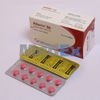
Alterin

Anodyne
Diclofen
Diclofix
Fengel
Norfen
G-Diclofenac
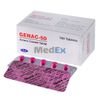
Genac
S-Fenac TR
Alcofen SR
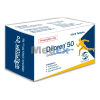
Diloren
Jefenac
Rispain SR
A-Fenac

Clofenac
Dfc TR
Moov SR
Nasfen TR
Nasida SR
Novarin SR
Safenac TR
Sifen TR
Pronac SR
Hipain TR
Dix-TR
Aid SR
Aid TR
Alterin TR
Apnac SR
C-Fenac TR
Cosfenac SR
Deonac TR
Diclo TR
Diclofast SR
Diclofenac SR
Diclon SR
Diclonil SR
Diclorex RTD
Diclovir SR
Dilock SR
Dilock TR
Dinac TR
Edifenac-TR
Fengel SR
Geofenac SR
Geofenac TR
Hi-Fenac TR
Jefenac TR
Lardon TR
Locopain-TR
Neofen SR
Neofenac SR
Pain Zero TR
Painac-TR
Panfre SR
Parafenac TR
Penac TR
Refain TR
Renac TR
S-Fenac TR
Tenac TR
Tolfenac SR

Ultrafen SR
Velofen TR
Verifen SR
Volton TR
Apain-TR
Clonac TR
Movonac TR
Orafen SR

Orfenac-TR
Orgafen TR
Proflam SR
Reutren SR
Verifen SR
Volcan SR
Megafen-SR
Mobifen SR
Voltid SR
Miclofen TR
Hitflam-SR
Clofen TR
Diclofen SR
A-Fenac SR

Anodyne SR
Diclomol SR

Diclonac TR
Diloren SR

Erdon TR
Norfen-SR
Clofenac DT

Clofenac SR
Voltalin D
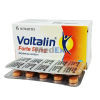
Voltalin Forte
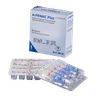
A-Fenac
Mobifen

Diclofen
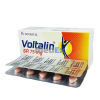
Voltalin SR
Clofenac
Mobifen
Diclofen
Novarin
Hitflam
Voltid
D-Fenac
Medifen
Relnac
A-Fenac
Mobifen
Nopain
Panfre
Diclofen

Clofenac
Jefenac
Voltalin SR
Fengel
Clofenac
Diclofen

Diclofen
Emov
Voltalin
Voltalin
Anodyne
Clofenac
Diclomol
Diloren
Moov on
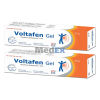
Voltafen
Moov
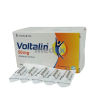
Voltalin

Voltagel DS
Voltarol
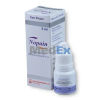
Nopain
Mobifen
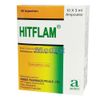
Hitflam
Diclon
Diclon
Anfenac
Anodyne
Diclofen
Diclofen
Locopain

Diclonac
G-Diclofenac
Diclorex
Refain

DicloGel

Voligel
Erdon
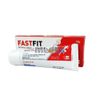
Fastfit
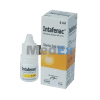
Intafenac

Volicool
Volifen

Voltagel
C-Fenac
Edifenac
Genac
Panfre
Diclofen
Voligel Max
Megafen
Volifen
Voltaren
Apnac
📖 Official Clinical Monograph
DGDA Approved Prescribing GuidelinesA-Fenac is indicated in-
Rheumatology
: Inflammatory and degenerative forms of rheumatism, chronic involutive, polyarthritis, ankylosing spondylarthritis, osteoarthritis, spondylarthroses, acute gout, peri-articular rheumatic disorders.
Surgery and Traumatology
... Read more
A-Fenac is indicated in-
Rheumatology
: Inflammatory and degenerative forms of rheumatism, chronic involutive, polyarthritis, ankylosing spondylarthritis, osteoarthritis, spondylarthroses, acute gout, peri-articular rheumatic disorders.
Surgery and Traumatology
: Sprain, bruises, dislocations, fractures, softtissue injuries, surgical interventions.
Obstetrics and Gynecology
: Primary dysmenorrhoea, episiotomy, adnexitis, endometritis, parametritis, salpingitis, and mastitis.
Otorhinolaryngology
: As pre-operative medication for the prevention of pain, inflammation, and swelling.
Dentistry
: Post-operative and post-traumatic pain, inflammation, and swelling.
Other indications
: For the prevention of pain and treatment of inflammation and swelling of patients operated in the urogenital tract, renal and biliary colic.
Dosage & AdministrationDiclofenac FC Tablet
: Adults: 75-150 mg daily in 2 to 3 divided doses, preferably after food. Dose should be reduced in long term use.
Diclofenac SR Tablet
:
Adult
: 1 tablet daily, taken whole with liquid, preferably at meal times. If necessary, the daily dose can be increased to 150 mg by supplementation with conventional tablets.
Children
: 1-3 mg of diclofenac/kg body wt. daily in divided doses.
Elderly patients
: In elderly or debilitated patients, the lowest effective dosage is recommended, although the pharmacokinetics of diclofenac sodium is not impaired to any clinically relevant extent in elderly patients.
Diclofenac Dispersible Tablet
:
Adults
: The recommended daily dosage is 2-3 tablets and the maximum daily dose is 150 mg. In milder cases, 2 tablets of Diclofenac DT per day are sufficient. Diclofenac DT should preferably be taken before meals.
Children
: Diclofenac is not recommended in children for other indications except juvenile rheumatoid arthritis where the recommended dose is 1-3 mg/kg body weight. Diclofenac DT is to be dropped into a half-glass of water and the liquid is to be stirred to aid dispersion before swallowing. There is no information on the use of Diclofenac DT for more than 03 months.
Diclofenac TR Capsule
: One capsule daily. Diclofenac TR should be taken preferably after mealtimes.
Diclofenac Suppository
: For adults: 50 mg suppository 2-3 times daily. Maximum daily dose is 150 mg.
Diclofenac injection
: For adults the usual dose is 1 ampoule daily. In serious cases this dose may be increased up to 2 ampoules daily.
Diclofenac Gel
: For external use only. Depending on the size of area to be treated, 2-4 g of Diclofenac gel should be applied to the skin 3-4 times daily. To the affected area gel should be rubbed in lightly. This gel may also be given in addition to further treatment with other dosage forms of Diclofenac.
Contraindicated to the patients hypersensitive to any ingredient of the products. Peptic ulcer, hypersensitivity to Diclofenac like other non-steroid anti-inflammatory agents, Diclofenac is also contra-indicated in asthmatic patient in whom attack with asthma, urticaria or acute rhinitis are precipitated by acetylsalicylic acid or by other drugs with prostaglandin synthetase inhibitor. This Gel should not be used under occlusive airtight dressings.
A-Fenac is generally well tolerated. Adverse effects are mild, rare and transient. At the starting of the treatment, however, patients may be sometimes complaining of epigastric pain, eructation, nausea and diarrhea or dizziness or headache. These effects are usually mild in nature. Peripheral edema and skin reactions, such as rash and eczema have also been encountered. A-Fenac Gel may cause local irritation and reddening of the skin and skin rash.
In rare instances where peptic ulceration or gastrointestinal bleeding occurs in patients under treatment with A-Fenac. In patients with advanced age should be kept under close observation. A-Fenac Gel should not be allowed to come in contact with the eyes or mucus membranes, after application the hands should be washed properly and not to be taken by mouth.
Dilofenac Sodium is a potent non-steroidal anti-inflammatory drug (NSAID) with pronounced anti-rheumatic, anti-inflammatory, analgesic and antipyretic properties. It has also some uricosuric effect. Diclofenac exerts its effect by inhibiting prostaglandin biosynthesis which plays a major role in causing inflammation, pain and fever. Diclofenac is rapidly and completely absorbed from the gastro-intestinal tract when taken with or after meal. Peak plasma concentrations are reached within an average of 2 hours after ingestion of it. At therapeutic concentrations, it is 99.7% bound to plasma proteins. Diclofenac is metabolized in the liver and undergoes first pass metabolism.