 BD Medi
Ciprofloxacin
 4-Quinolone preparations, Anti-diarrhoeal antimicrobial drugs
Brands & Prices (296)
📋 Indications & Uses⚠️ Contraindications⚡ Side Effects & Adverse Reactions🛡️ Warnings & Precautions🔬 Pharmacology & Mechanism
4-Quinolone preparations, Anti-diarrhoeal antimicrobial drugs
Brands & Prices (296)
📋 Indications & Uses⚠️ Contraindications⚡ Side Effects & Adverse Reactions🛡️ Warnings & Precautions🔬 Pharmacology & Mechanism
Brand Formulations & Prices
296 brands sorted by unit price

Ciprom
Floxin
Amiflox
Cipromet

Proflox
Cipex
Oxpro
Efloxin
Dumaflox
Ciprotec
G-Cipro
Kapron
Uniflox
Ciprozen
Geflox

Ancipro

Bactin

Beuflox
Ciprofloxacin
Ciprozid

Neofloxin
Quinox

Cipcin
Procin

Ciprox
Fiprox

Flontin
Cipro-A

Ciprocin
Floxabid
Hiflox
Ciprocap
Amiflox
Cipro
Ciprobac 500
Cipromet
DFX
Preofloxin

Quintor
Dumaflox
Spectra
Deflox
QNOL
Ciflocin
Cilocin
Cipex
Ciprin
Ciprodyl
Ciprom
Cyrus
Deflox
Floxin
Hi-Floxin
Neoflox
Octabid
Oxpro
Peoflox
Quinocin
Tyfinor
Dumaflox
Hiflox
Doquin
Ciflox
Sypron
Ciprolyn
Cpflox
Uprocin
Adecin
Ancipro
Ceprocon
Cip
Cipro-P
Cipro-S
Ciprogerm
Cipron
Cipronor
Ciprotim
Ciproxim
Ciprozen DS
D-Floxin
Eliprox
Entiflox
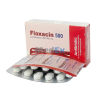
Floxacin
Lox
Monipro
Newcip
Novacin
Novaflox
Nucip

Proflox
Profloxin
Ranflox
Savcin
Silflox
Tyflox
Virflox
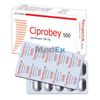
Ciprobey
Xirocip
Cero
Ciproguard
Cipronil

Civox
Flocip
Procin

Serviflox
Cipro-M
Fiprox
Xbac
Ciprocap
Ciprosic

Aprocin
Armycin
Benprox

Beuflox
Captiva
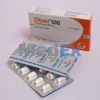
Cibact
Cipro-C
Ciprofloxacin
Ciprol
Cipronaaf
Ciproton
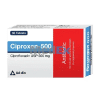
Ciproxen
Deflox
Efloxin

Flontin
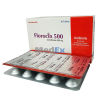
Florocin
Floxy
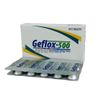
Geflox
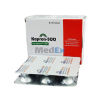
Kapron
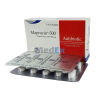
Maprocin
Neofloxin
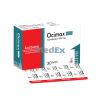
Ocimax
Orcipro
Quinox
Raciprox

Rocipro
SB-Quik
Saflox
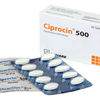
Ciprocin
Ciprox
Ciprozid-DS
Floxabid
Xerox

Cipcin
Amiflox
Bactin
Quinobid
Cipro-A
Cipex
Ciproaid
Ciprosic
Winbac
Ancipro
Benprox
Beuflox
Cibact
Cip
Ciprozid
Ciprozid-XR
Kapron
Neofloxin
Quinox
Ranflox
Rocipro
Virflox
Procin
Quinocin
Bactin
Cipro-M

Flontin
Ciprox
Fiprox

Cipcin
Cipro-A

Xbac

Ciprocin
Cipronil
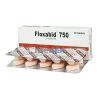
Floxabid
Maprocin
G-Cipro
Hiflox-XR
Ciprox XR
Xirocip XR
Cip

Aprocin
Bactin
Cero
Ciflox
Ciprin

Ciprox
Xerox
Civox
Bactin
Beuflox
Cilocin
Ciprin
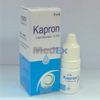
Kapron
Neofloxin

Cero
Floxabid
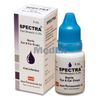
Spectra
Ciprox
Cip
Cipcin
Cipro-C
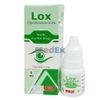
Lox
Rocipro
Aprocin
Ciflox
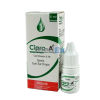
Cipro-A
Ciprocin
Ciprozid

G-Cipro
Monipro-E
Xerox
Procin
Quintor

Ciprozid
Geflox
Xirocip

Hiflox

Maprocin
Libracin
Ciprozen
Cipro
Ciprobac DS
Ciprom DS
Ciprotec
Deflox DS
Virflox
Amiflox DS
Cipex
Cipro-S
Ciprolyn
Floxin DS
Kapron
Monipro
Novaflox
Xirocip
Cipron
Procin
Civox
Xbac
Ciplon
Cipronil
Ciprosic

Kapron
Ceprocon

Aprocin
Benprox
Beuflox
Captiva
Cibact
Cilocin
Cipcin
Ciprobey
Cipronor
Ciprox

Ciprox DS
Ciproxen
Ciprozid
Dumaflox
Efloxin

Flontin

Florocin
Geflox
Maprocin
Neofloxin
Ocimax
Preofloxin
Quinox DS
Raciprox

Tyflox
Xerox
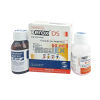
Xerox Ds
Zeprox
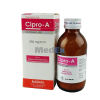
Cipro-A
Ciprocin
Flocip
Bactin
Cipro-C
Ciprol DS
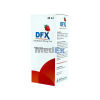
DFX
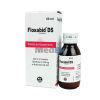
Floxabid DS
Maprocin DS
Cipcin
Ciplon DS
Bactin
Civox

Flontin
Beuflox
Ciprocin

Floxabid
Neofloxin
Libracin
Cipro-A
📖 Official Clinical Monograph
DGDA Approved Prescribing GuidelinesAdecin is indicated for the treatment of single infection or mixed infections caused by two or more susceptible organisms. It can also be used for infections caused by organisms resistant to other antibiotics including Aminoglycosides, Penicillins and Cephalosporins.
As antibacterial
... Read more
Adecin is indicated for the treatment of single infection or mixed infections caused by two or more susceptible organisms. It can also be used for infections caused by organisms resistant to other antibiotics including Aminoglycosides, Penicillins and Cephalosporins.
As antibacterial concentrations of Adecin are obtained in serum and body tissues as well as in the urine following administration by mouth, Adecin has been suggested for use in the treatment of a wide range of infections caused by susceptible organisms including infections of the urinary, respiratory and gastrointestinal tracts, gonorrhoea and septicaemia. The extensive tissue penetration of Adecin combined with its enhanced antibacterial activity (including antipseudomonal activity), enables Adecin to be used alone (pending sensitivity results) or in combination with an Aminoglycoside or with beta lactam antibiotics for instance when severe neutropenia is present or with an antibiotic active against anaerobes where the presence of bacteroides fragilis is suspected. Adecin is indicated for the treatment of the following infections caused by sensitive bacteria:
Severe systemic infections: e.g. septicaemia, bacteraemia, peritionitis, infections in immunosuppressed patients with haematological or solid tumors and in patients in intensive care unit with specific problems such as infected burns.
Respiratory tract infections: Lobar and bronchopneumonia, acute and chronic bronchitis, acute exacerbation of cystic fibrosis, bronchiectasis, empyema.
Urinary tract infections: Uncomplicated and complicated urethritis, cystitis, pyelonephritis, prostatitis, epididymitis.
Skin and soft tissue infections: e.g. infected ulcers, wound infections, abscesses, cellulitis, otitis externa, erysipelas, infected burns.
Gastro-intestinal infections: e.g. enteric fever, infective diarrhea.
Infection of the biliary tract: e.g. cholangitis, cholecystitis, empyema of the gall bladder.
Intra abdominal infections: e.g. peritonitis, intra abdominal abscesses.
Bone and joint infection: Osteomyelitis, septic arthritis.
Pelvic infections: e.g. salpingitis, endometritis, pelvic inflammatory diseases.
Eye, ear, nose and throat infections: e.g. otitis media, sinusitis, mastoiditis, tonsillitis.
Gonorrhoea: Including urethral, rectal and pharyngeal gonorrhoea caused by beta-lactamase producing organisms or organisms moderately sensitive to penicillin.
Patients with a history of hypersensitivity to Ciprofloxacin or to other quinolones.
Gastrointestinal disturbances e.g. nausea, diarrhoea, vomiting, dyspepsia, abdominal pain. Disturbances of the central nervous system e.g. headache, dizziness, tiredness, confusion, convulsion & risk of retinal detachment. Hypersensitivity reactions e.g. skin rash (very rarely Stevens-Johnson syndrome and toxic epidermal necrolysis), pruritus and possible systemic reactions. The other less reported reactions are joint pain, mild photosensitivity and transient increase in liver enzymes (particularly in patients with previous liver damage), serum bilirubin, urea or creatinine levels. Risk of hypoglycemia & mental health adverse effects.
It should be used with caution in patients with suspected or known CNS disorders such as arteriosclerosis or epilepsy or other factors which predispose to seizures and convulsion.
Adecin may be taken with or without meals and to drink fluids liberally.
Concurrent administration of Adecin should be avoided with magnesium / aluminium antacids, or sucralfate or with other products containing calcium, iron and zinc. These products may be taken two hours after or six hours before Adecin.
Adecin should not be taken concurrently with milk or yogurt alone, since absorption of Adecin may be significantly reduced. Dietary calcium is a part of a meal, however, does not significantly affect the Adecin absorption.
Ciprofloxacin is a synthetic quinolone anti-infective agent. Ciprofloxacion has broad spectrum of activity. It is active against most gram negative aerobic bacteria including Enterobacteriaceae and Pseudomonas aeruginosa. Ciprofloxacin is also active against gram-positive aerobic bacteria including penicillinase producing, non penicillinase producing, and methicillin resistant staphylococci, although many strains of streptococci are relatively resistant to the drug. The bactericidal action of Ciprofloxacin results from interference with the enzyme DNA gyrase needed for the synthesis of bacterial DNA. Following oral administration it is rapidly and well absorbed from the G.I. tract. It is widely distributed into the body tissues and fluids. The half life is about 3.5 hours. About 30% to 50% of an oral dose of Ciprofloxacin is excreted in the urine within 24 hours as unchanged drug and biologically active metabolites.