 BD Medi
Cetirizine Hydrochloride
 Sedating Anti-histamine
Brands & Prices (143)
📋 Indications & Uses Dosage & Administration⚠️ Contraindications⚡ Side Effects & Adverse Reactions🛡️ Warnings & Precautions🔬 Pharmacology & Mechanism
Sedating Anti-histamine
Brands & Prices (143)
📋 Indications & Uses Dosage & Administration⚠️ Contraindications⚡ Side Effects & Adverse Reactions🛡️ Warnings & Precautions🔬 Pharmacology & Mechanism
Brand Formulations & Prices
143 brands sorted by unit price
Hi-Trol
No-Trol
Opzin
Asitrol
Bptrol
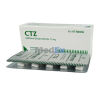
CTZ
Cetirizine
Cetjet
Cipzin
Citizen
Cizin
Dyno
G-Cetrizine
Histacet
Retrezin
Satrol
Setir
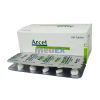
Arcet
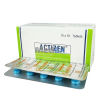
Actizen
Noriz
Ceritec
Alargol
Alat
Alater
Alatin
Aletrin
Allercet
Antrin
B-Cef
Celozin
Cerzin
Cetirizine
Cetirizine
Cetra
Cetrigen
Cetrimax
Cetriz
Flustat
Moset
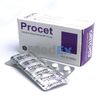
Procet
Saltrol
Sentrol
Sistin
Sytrol
Vircet
Allernil
Cesil
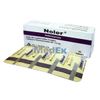
Noler
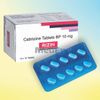
Rizin
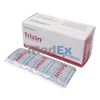
Trizin
Cetril
Etizin
Proler
CZ
Dyzin
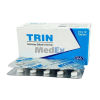
Trin
Sarcet
Adtrizin
Alermet
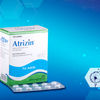
Atrizin
Cetmax
Cetriben
Cetrimak
Cetrol
Cetzin
Cezin
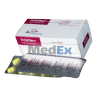
Cirizin

Citin
Libergy
Nohist

Nosemin
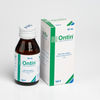
Ontin
Orgy

Rhinil
Rinzin
Rotazin
SB-Cetiz
Sartec
Silatrol
Tiz
Uzin
Veritrizin
Zyrtec
Acitrin
Alatrol
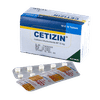
Cetizin
Riz
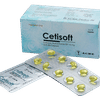
Cetisoft
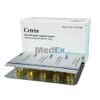
Cetrin

Asitrol
Allercet
Cizin
Histacet
Cesil
Cetirizine
Hi-Trol
Noriz
Sistin
Sytrol
Rizin
Actizen
Proler
B-Cef
Cetriz
Cipzin
Etizin
Flustat
G-Cetrizine
Nosemin
Procet
Uzin
Vircet
Sartec
Dyzin
Opzin
Alargol
Allernil
Atrizin
Cetzin
Moset
Orgy
Riz
Acitrin
Alatrol
Trin
Alartn
Arcet
Atrizin
Celozin
Cetril
Cezin
Cirizin
Rhinil
Trizin
Citin
Acitrin
Alatrol
Cetriben
Ontin
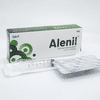
Alenil
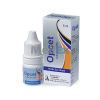
Opcet
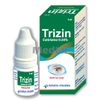
Trizin
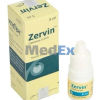
Zervin
📖 Official Clinical Monograph
DGDA Approved Prescribing GuidelinesAcitrin is indicated for the relief of symptoms associated with seasonal & perennial allergic rhinitis. It is also indicated for the treatment of the uncomplicated skin manifestations of chronic idiopathic urticaria and allergen induced asthma.
Dosage & AdministrationCetirizine oral dosage form
:
Adults and Children 6 years and older: 1 tablet or 2 teaspoonfuls daily (or 1 teaspoonful twice daily).
Children 2-6 years: 1 teaspoonful once daily or 1/2 teaspoonful twice daily.
Children 6 months to 2 years : 1/2 teaspoonful once daily. The dose in children 12-23 months of age can be increased to a maximum dose as 1/2 teaspoonful every 12 hours.
Cetirizine injectable dosage form
: Cetirizine is a single use injectable product for intravenous administration only. The recommended dosage regimen is once every 24 hours as needed for treatment of acute urticaria. Administer Cetirizine as an intravenous push over a period of 1 to 2 minutes. Cetirizine is not recommended in pediatric patients less than 6 years of age with impaired renal or hepatic function.
Adults and adolescents 12 years of age and older: The recommended dosage is 10 mg administered by intravenous injection.
Children 6 to 11 years of age: The recommended dosage is 5 mg or 10 mg depending on symptom severity administered by intravenous injection.
Children 6 months to 5 years of age: The recommended dosage is 2.5 mg administered by intravenous injection.
It is contraindicated in patients with a history of hypersensitivity to Cetirizine or hydroxyzine.
The most common side effects that occurred more frequently on Acitrin is somnolence.
Caution should be exercised when driving a car or operating a heavy machinery.
Cetirizine Hydrochloride is a potent H1 receptor antagonist without any significant anticholinergic and antiserotonic effects. At pharmacologically active dose levels, it has almost no drowsiness effect and does not cause behavioral changes. It inhibits the histamine-mediated early phase of the allergic reaction and also reduces the migration of inflammatory cells and the release of mediators associated with the late phase of the allergic reaction.
Pharmacokinetics: Cetirizine 10 mg achieves peak plasma concentrations of 257 mcg/L within one hour of administration (980 mcg/L in children). Food does not affect the extent of absorption, but it may slightly reduce the rate. Peak blood levels 0.3 micrograms/ml are reached between thirty & sixty minutes after administration of 10 mg dose of Cetirizine. Its plasma half-life is approximately 11 hours. Absorption is very consistent from one subject to the next. Its renal clearance is 30 ml/minute and the excretion half-life is approximately nine hours.