 BD Medi
Cefpodoxime Proxetil + Clavulanic Acid
 Third generation cephalosporins
Brands & Prices (9)
📋 Indications & Uses Dosage & Administration⚠️ Contraindications⚡ Side Effects & Adverse Reactions🛡️ Warnings & Precautions🔬 Pharmacology & Mechanism
Third generation cephalosporins
Brands & Prices (9)
📋 Indications & Uses Dosage & Administration⚠️ Contraindications⚡ Side Effects & Adverse Reactions🛡️ Warnings & Precautions🔬 Pharmacology & Mechanism
Brand Formulations & Prices
9 brands sorted by unit price

Xtabac
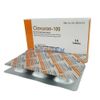
Clavuran

Duo-5 LS
Combocef
Xtabac
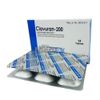
Clavuran
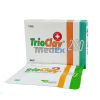
Trioclav
Duo-5
Combocef
📖 Official Clinical Monograph
DGDA Approved Prescribing GuidelinesIt is indicated in the following infections -
Acute bacterial exacerbation of chronic bronchitis
Acute community acquired pneumonia
Pharyngitis or tonsillitis
Skin and soft tissue infections
Urinary tract infections
Uncomplicated gonorrhea
Acute maxillary sinusitis
Dosage & AdministrationFor adults (Age 12 years and older):
Acute bacterial exacerbation of chronic bronchitis
: 1 tablet 12 hourly for 10 days
Acute community acquired pneumonia
: 1 tablet 12 hourly for 14 days
Pharyngitis or tonsillitis
: ½ tablet 12 hourly for 5 to 10 days
Skin and soft tissue infections
: 2 tablet 12 hourly for 7 to 14 days
Urinary tract infections
: ½ tablet 12 hourly for 7 days
Uncomplicated gonorrhea
: Single dose
Acute maxillary sinusitis
: 1 tablet 12 hourly for 10 days
For children: Children 2 months to 12 years- 10 mg/kg/day in divided dose, every 12 hours.
Cefpodoxime is contraindicated in patients with known hypersensitivity to Cephalosporins.
Cefpodoxime is well tolerated. Most common gastrointestinal adverse effects are diarrhea, vomiting and abdominal pain.
Cefpodoxime should be administered with caution to patients receiving concurrent treatment with diuretics.
Cefpodoxime is a third generation semi-synthetic Cephalosporin, exhibits activity against several Gram positive as well as Gram negative microorganisms. This compound is also stable in beta lactamase environment. Cefpodoxime exhibits exceptional activity against methicillin susceptible Staphylococci, Streptococcus pneumoniae, Haemophilus influenzae, Neisseria spp. and Moraxella catarrhalis.
Clavulanic acid is a natural inhibitor of beta lactamase which are produced by Streptomyces clavuligerus. It binds to beta lactamase moieties and inactivates them, thus restricting the Cefpodoxime destruction.