 BD Medi
Blood glucose monitoring device
 Brand Formulations & Prices
65 brands sorted by unit price

JMI Blood Lancet
NTI Blood Lancets
RBC Super

ACCU-CHEK Softclix
RBC Smart Check
On call extra
Quick Check
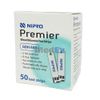
NIPRO Premier S
VivaChek Bree
Glucoleader Enhance
PalmCheck
On Call Plus
Fia Biomed Blood Glucose
VivaChek Eco+
VivaChek Ino
Wister

Direct Blood Glucose
Okmeter Match
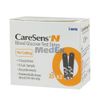
CareSens N
Getwell Fast Blood
Medisign
Exactive EQ
Gluco Check Active
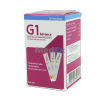
G1 Advance
Omnitest Plus
Sinocare Safe AQ
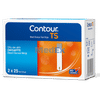
Contour TS Strips
Bionime GS100

ACCU-CHEK Active
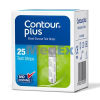
Contour Plus Strips

ACCU-CHEK Instant
OneTouch Verio
OneTouch Ultra
Gluco Check Active
Quick Check
Bioland Easy Blood
GlucoLeader Enhance
On Call EZ II
Safe Touch
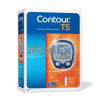
Contour TS Meter
Sinocare Safe AQ
Exactive EQ Impulse
Exactive EQ Simple
OKmeter Meter
VivaChek Eco
GlucoSure Star
VivaChek Bree
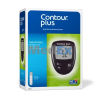
Contour Plus Meter
RBC Smart Check
PalmCheck
Bionime GM700
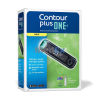
Contour Plus One Meter
Getwell GWL100
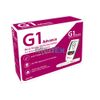
G1 Advance
Fine Test
Wister
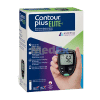
Contour Plus Elite Meter
VivaChek Ino
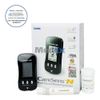
CareSens N
GlucoLab

NIPRO Premier S

ACCU-CHEK Instant S

ACCU-CHEK Active

ACCU-CHEK Instant
OneTouch Verio
📖 Official Clinical Monograph
DGDA Approved Prescribing GuidelinesA glucose meter, also referred to as a "glucometer", is a medical device for determining the approximate concentration of glucose in the blood. It can also be a strip of glucose paper dipped into a substance and measured to the glucose chart. It is a key element of glucose testing, including home blood
... Read more
A glucose meter, also referred to as a "glucometer", is a medical device for determining the approximate concentration of glucose in the blood. It can also be a strip of glucose paper dipped into a substance and measured to the glucose chart. It is a key element of glucose testing, including home blood glucose monitoring (HBGM) performed by people with diabetes mellitus or hypoglycemia. A small drop of blood, obtained from slightly piercing a fingertip with a lancet, is placed on a disposable test strip that the meter reads and uses to calculate the blood glucose level. The meter then displays the level in units of mg/dL or mmol/L.
Since approximately 1980, a primary goal of the management of type 1 diabetes and type 2 diabetes mellitus has been achieving closer-to-normal levels of glucose in the blood for as much of the time as possible, guided by HBGM several times a day. The benefits include a reduction in the occurrence rate and severity of long-term complications from hyperglycemia as well as a reduction in the short-term, potentially life-threatening complications of hypoglycemia.