 BD Medi
Amitriptyline Hydrochloride + Chlordiazepoxide
 Combined anxiolytics & anti-depressant drugs
Brands & Prices (17)
📋 Indications & Uses Dosage & Administration⚠️ Contraindications⚡ Side Effects & Adverse Reactions🛡️ Warnings & Precautions🔬 Pharmacology & Mechanism
Combined anxiolytics & anti-depressant drugs
Brands & Prices (17)
📋 Indications & Uses Dosage & Administration⚠️ Contraindications⚡ Side Effects & Adverse Reactions🛡️ Warnings & Precautions🔬 Pharmacology & Mechanism
Brand Formulations & Prices
17 brands sorted by unit price

Emijoy

Limitrol

Amilin Plus
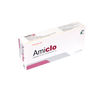
Amiclo

Feeliz

Limxid

Recodep
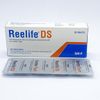
Reelife

Tryptin Plus
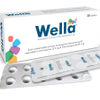
Wella
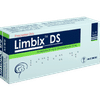
Limbix

Norzim

Amilin Max
Emijoy DS
Limbix DS
Reelife DS
Wella DS
📖 Official Clinical Monograph
DGDA Approved Prescribing GuidelinesAmiclo is indicated for the treatment of patients with moderate to severe depression associated with moderate to severe anxiety. Symptoms likely to respond in the first week of treatment include insomnia, feelings of guilt or worthlessness, agitation, psychic and somatic anxiety, suicidal ideation and anorexia.
Dosage & AdministrationOptimum dosage varies with the severity of the symptoms and the response of the individual patient. When a satisfactory response is obtained, the dosage should be reduced to the smallest amount needed to maintain the remission. The larger portion of the total daily dose may be taken at bedtime. In some patients, a single dose at bedtime may be sufficient. This tablet in an initial dosage of 3 or 4 tablets daily in divided doses is satisfactory. Or directed by the physican.
This is contraindicated in patients with hypersensitivity to either benzodiazepines or tricyclic antidepressants. It should not be given concomitantly with a monoamine oxidase inhibitor.
Side effects: Many symptoms common to the depressive state, such as anorexia, fatigue, weakness, restlessness and lethargy, have been reported as side effects of treatment with Amiclo.
Adverse reactions: Most frequently reported were drowsiness, dry mouth, constipation, blurred vision, dizziness and bloating. Less commonly included vivid dreams, impotence, tremor, confusion and nasal congestion.
Use with caution in patients with a history of seizures. Close supervision is required when Amiclo is given to hyperthyroid patients or those on thyroid medication. The usual precautions should be observed when treating patients with impaired renal or hepatic function. All pediatric patients being treated with antidepressants for any indication should be monitored appropriately and observed closely for clinical worsening, suicidality and unusual changes in behavior.
Amitriptyline is a tricyclic antidepressant and Chlordiazepoxide is an anxiolytic. Amitriptyline inhibits the reuptake of norepinephrine and serotonin in the brain. This interference with the reuptake is responsible for the antidepressant activity of Amitriptyline. Chlordiazepoxide works by enhancing GABA-mediated chloride influx through GABA receptor channels, causing membrane hyperpolarization. The net neuro-inhibitory effects result in the observed sedative and anxiolytic effect.