 BD Medi
Ambroxol Hydrochloride
 Cough expectorants & mucolytics
Brands & Prices (120)
📋 Indications & Uses Dosage & Administration⚠️ Contraindications⚡ Side Effects & Adverse Reactions🛡️ Warnings & Precautions🔬 Pharmacology & Mechanism
Cough expectorants & mucolytics
Brands & Prices (120)
📋 Indications & Uses Dosage & Administration⚠️ Contraindications⚡ Side Effects & Adverse Reactions🛡️ Warnings & Precautions🔬 Pharmacology & Mechanism
Brand Formulations & Prices
120 brands sorted by unit price
Ambeet
Ambozin SR

Ambrosol
Hybrox

Boxol SR
Ambroxol SR
Myrox SR
Ambolyt SR

Ambrox SR
Lytex SR

Safoxol
Ambosil
Kashba
Mubrox
Amboral
Roxal
Amboxol
Ambolin
Broxolit
Flintex
Ambokof
Ambolos
Ambolyt
Ambronil
Brox
Mucobrox
Mucosol

Nexol
Recof
Hybrox
Amboral
Mubrox
Viscosol
Boxol
Ambryl
Ambocus
Amboten
Ambrotil

Aroxol
Cofexin
Lytex
Myrox
X-Cold
Bronchosil
Adebrox
Ambeet
Ambix
Ambokof
Ambolin
Ambosil
Ambozin
Ambrocod
Ambrodex
Ambrogen
Ambromax
Ambrop
Ambrosia
Ambrosol
Ambrox
Amorox
Axsol
Bilco

Broxidil
Kickof
Kufflin
Leucofil
M Boss
Mucoclean
Mucosol
Mutex
Nexol
Recof
Remap
Roxal
Seebrox
Xerokof
Broxolin
Hybrox
Resol
Ambroton
Dilyt
Amboxol
Bronsol
Mucobrox
Femex
Ambrokof

Ambroxol
Ambryl
Amsiv
Broxolit
Kofmelt
Neobrox
Roxnil
Emulyt

Acorex
Mucovan
Tembrox
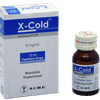
X-Cold
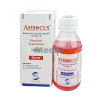
Ambocus
Ambolyt
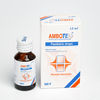
Amboten
Ambronaaf
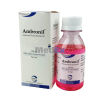
Ambronil
Ambrotus
Ambrox
Amcold
Aroxol
Boxol
Broculyt
Brox
Lytex
Mbroxol
Muex
Myrox
Onecof
Rixol
Safoxol
Viscosol
WinkOF
Kashba
📖 Official Clinical Monograph
DGDA Approved Prescribing GuidelinesAcorex is indicated in-
Productive cough
Acute and chronic inflammatory disorders of upper and lower respiratory tracts associated with viscid mucus including acute and chronic bronchitis
Inflammatory disease of rhinopharyngeal tract (laryngitis, pharyngitis, sinusitis and rhinitis) associated with viscid mucus
Asthmatic bronchitis bronchial asthma with thick expectoration
Bronchiectasis
Chronic pneumonia etc.
Dosage & AdministrationAverage daily dose (preferably after meal):
Pediatric Drops:
0-6 months
: 0.5 ml 2 times a day
6-12 months
: 1 ml 2 times a day
1-2 years
: 1.25 ml 2 times a day
Syrup:
2-5 years
: 2.5 ml (1/2 teaspoonful) 2-3 times a day
5-10 years
: 5 ml (1 teaspoonful) 2-3 times a day
10 years and adults
: 10 ml (2 teaspoonful) 3 times a day.
Sustained release capsule: Adult and children over 12 years old: 1 capsule once daily.
Contraindicated in known hypersensitivity to Ambroxol or Bromhexine.
Gastrointestinal side effects like epigastric pain, stomach overfill feeling may occur occasionally. Rarely allergic responses such as eruption, urticaria or angioneurotic edema have been reported.
Acorex should be given cautiously to patients with gastric and duodenal ulceration or convulsive disorders. Patients with hepatic and renal insufficiency should take it with caution.
Ambroxol is the active metabolite of bromhexine and it has been proven that this metabolite possesses a greater bronchosecretolytic effect than bromhexine. It improves sputum rheology by hydrating mechanism leading to liquefaction of mucus in the lumen of respiratory tract, thus facilitating expectoration of mucus and reducing dyspnea. It stimulates production of phospholipids of surfactant by alveolar cells, thus contributing to the lowering of superficial tension in the alveoli. It also reduces bronchial hyperactivity. Ambroxol has anti inflammatory properties owing to the inhibitory effect on the production of cellular cytokines and arachidonic acid metabolites. In patients with COPD it traditionally improves airway patency.