 BD Medi
Almitrine Bismesylate + Raubasine
 Cerebral vasodilator & Neurosensory oxygenator drugs
Brands & Prices (3)
📋 Indications & Uses Dosage & Administration⚠️ Contraindications⚡ Side Effects & Adverse Reactions🛡️ Warnings & Precautions🔬 Pharmacology & Mechanism
Cerebral vasodilator & Neurosensory oxygenator drugs
Brands & Prices (3)
📋 Indications & Uses Dosage & Administration⚠️ Contraindications⚡ Side Effects & Adverse Reactions🛡️ Warnings & Precautions🔬 Pharmacology & Mechanism
Brand Formulations & Prices
3 brands sorted by unit price
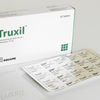
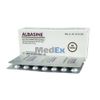
📖 Official Clinical Monograph
DGDA Approved Prescribing GuidelinesThis tablet is indicated for-
Reduction of neurological damage & accelerates recovery after cerebral stroke
Minor age-related neurological disorders
Some visual disorders related to the circulation
Some disorders of the inner ear related to circulation (hearing loss, dizziness, buzzing sounds in the ear).
Dosage & Administration1 tablet once or twice daily (taken separately, several hours apart), without exceeding 2 tablets per day. Or, as directed by the registered physicians.
This tablet is contraindicated in patients with hypersensitivity to any of the ingredients of it or severe hepatic impairment.
Weight loss, nausea, sensations of heaviness or burning in the stomach, gastrointestinal disorders, diarrhoea or constipation, insomnia, drowsiness, agitation, anxiety, dizziness, palpitations.
Due to the presence of lactose, Albasine should not be used in the case of galactosemia, of glucose and galactose malabsorption syndrome or of lactose deficiency (rare metabolic diseases). Do not exceed the recommended dose.
Almitrine Bismesylate & Raubasine combines raubasine, a vasodilator; and almitrine, a respiratory stimulant. Raubasine has a adrenolytic activity which is predominantly related to a post-synaptic blocking effect. Furthermore, under conditions of cerebral hypoxia, almitrine causes an increase in the partial pressure of oxygen in arterial blood (Pa0
2
); almitrine causes an increase in the Pa0
2
and an increase in the oxygen saturation in arterial blood (Sa0
2
), without modifying ventilatory parameters.